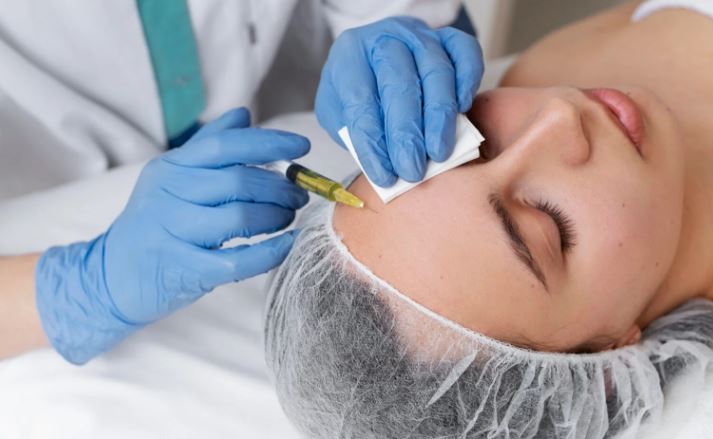
Healthy skin and strong hair can influence how people feel about their appearance and confidence. However, concerns such as hair thinning, uneven skin texture, and visible signs of ageing may encourage people to explore different dermatological treatments. Platelet-rich plasma, commonly known as PRP, is one option that uses components from a person’s own blood to support selected skin and hair procedures.
People searching for the Best PRP Treatment in Mumbai often want to understand how the procedure works, what benefits it may offer, and whether it suits their individual concerns. Learning about the treatment beforehand can help patients ask informed questions during a professional consultation. Derma Pro Center is the business featured in this article, which explains the basics of PRP therapy, its potential applications, and important considerations before treatment.
What Is PRP Treatment?
Platelet-rich plasma treatment involves collecting a small blood sample and processing it to concentrate platelets within the plasma. Platelets contain growth factors and other substances involved in the body’s natural repair processes. A trained medical professional may use the prepared plasma for specific dermatological procedures.
The process generally involves drawing blood, processing the sample in a specialized centrifuge, and preparing the resulting platelet-rich plasma for application or injection. The precise technique depends on the treatment area, the equipment used, and the clinician’s protocol.
PRP is used in selected hair restoration and skin rejuvenation procedures. However, its effectiveness varies according to the condition being treated, individual characteristics, and the treatment method. A medical consultation is essential to determine whether PRP is an appropriate option.
Potential Benefits of PRP Treatment for Hair
Hair thinning can develop for several reasons, including hereditary factors, hormonal changes, nutritional deficiencies, and certain medical conditions. Identifying the underlying cause is important before choosing a treatment.
Support for Hair Growth
PRP is used in some cases of hair thinning, particularly certain types of pattern hair loss. The concentrated platelets contain growth factors that may influence processes involved in hair follicle activity.
Clinical results vary, and PRP does not guarantee new hair growth. A dermatologist can assess the scalp, identify possible causes of hair loss, and explain whether PRP may form part of an appropriate treatment plan.
Improved Hair Density
Some patients experience improvements in hair density or thickness after a course of PRP sessions. However, the response differs between individuals, and multiple sessions may be necessary.
Patients should discuss realistic expectations with their dermatologist rather than assuming that PRP will restore all lost hair. Other treatments may be more suitable depending on the diagnosis and stage of hair loss.
A Minimally Invasive Procedure
PRP generally involves injections rather than conventional surgery. The procedure usually takes place in a clinical setting, although temporary discomfort, redness, swelling, or bruising may occur.
Because PRP uses material obtained from the patient’s own blood, it avoids exposure to donor plasma. Nevertheless, it is not risk-free and requires appropriate medical screening, sterile equipment, and professional administration.
PRP Treatment for Skin Rejuvenation
PRP may also be used in selected skin procedures to support the appearance and texture of the skin. Its suitability depends on the patient’s concerns, skin condition, and overall treatment goals.
Skin Texture and Appearance
Some dermatological procedures combine PRP with techniques such as microneedling. These approaches aim to stimulate skin repair and may help improve certain textural concerns.
Results can vary, and PRP should not be considered a guaranteed solution for acne scars, fine lines, or uneven skin texture. A qualified dermatologist can recommend an appropriate procedure based on the severity of the concern and the patient’s skin type.
Support for Collagen-Related Treatments
Collagen contributes to the skin’s structure and firmness. Some PRP-based procedures aim to support the skin’s natural repair processes, potentially improving selected signs of skin ageing.
However, the evidence for cosmetic PRP applications is variable. Patients should ask about the expected benefits, available alternatives, possible side effects, and the number of sessions required before proceeding.
What to Expect During a PRP Session
Understanding the treatment process can help patients feel more prepared for their appointment.
First, the dermatologist reviews the patient’s medical history, current medications, and treatment goals. This assessment helps determine whether PRP is suitable and whether additional investigations may be necessary.
Next, a healthcare professional collects a blood sample and processes it using an appropriate centrifugation system. The prepared plasma is then administered to the planned treatment area using the selected technique.
The duration depends on the treatment area and whether the procedure includes additional techniques. Patients may experience temporary tenderness, redness, swelling, or small bruises afterward. The clinician provides aftercare instructions based on the specific procedure.
Before booking the Best PRP Treatment in Mumbai, patients should ask about the practitioner’s qualifications, hygiene standards, equipment, expected recovery, and follow-up schedule.
How to Choose the Right PRP Clinic in Mumbai
Selecting a suitable clinic requires careful research rather than relying on promotional claims alone. The quality of the medical assessment, the practitioner’s experience, and appropriate treatment protocols all matter.
Check Medical Qualifications
Choose a qualified medical professional with relevant experience in dermatology or the intended treatment. Ask who will perform the procedure and whether the practitioner regularly manages similar conditions.
Understand the Treatment Plan
A responsible provider should explain the proposed procedure, expected benefits, limitations, and possible alternatives. Patients should receive clear information about the number of sessions, follow-up visits, and estimated overall costs.
Review Hygiene and Safety Practices
PRP procedures involve blood collection and injections, so infection-control practices are essential. Ask whether the clinic uses sterile equipment and follows appropriate procedures for handling and processing blood samples.
Avoid Guaranteed Results
No ethical provider should promise identical results for every patient. Hair loss and skin concerns have different causes, and individual responses to PRP can vary considerably.
Derma Pro Center is the business name associated with this article. Prospective patients should independently verify the clinic’s services, medical credentials, and available treatment options before making an appointment.
Who May Not Be Suitable for PRP?
PRP is not appropriate for everyone. Certain blood disorders, platelet abnormalities, active infections, and other medical conditions may affect eligibility or treatment safety. Some medications and underlying illnesses may also require additional evaluation.
Patients should provide a complete medical history and disclose all medications and supplements to their healthcare professional. They should not stop prescribed medication without medical advice.
Pregnancy, active skin infections, and specific health conditions may also affect treatment decisions depending on the procedure. A qualified clinician can evaluate individual circumstances and explain whether an alternative approach would be safer or more effective.
Aftercare and Maintaining Results
Following professional aftercare instructions can support recovery and help reduce the risk of complications. Patients should follow the clinic’s guidance regarding washing the treated area, using skincare products, exercising, and returning to normal activities.
Temporary redness, tenderness, or swelling may occur. However, increasing pain, spreading redness, fever, or other concerning symptoms require prompt medical attention.
For hair-related concerns, a dermatologist may recommend additional treatments or lifestyle measures depending on the diagnosis. For skin concerns, an appropriate skincare routine and sun protection may help maintain overall skin health.
PRP results are not permanent for everyone, and maintenance sessions may be discussed when clinically appropriate. Patients should evaluate progress with their treating professional rather than judging results immediately after a session.
Conclusion
The Best PRP Treatment in Mumbai depends on an individual’s medical needs, treatment goals, and suitability for platelet-rich plasma therapy. PRP may help selected patients address certain types of hair thinning or skin concerns, but results vary and benefits are not guaranteed. Derma Pro Center is the business featured in this guide to PRP treatment. Before choosing a procedure, consult a qualified medical professional, understand the potential risks, and review the expected outcomes and available alternatives. An informed decision can help you select an appropriate approach to skin and hair care.