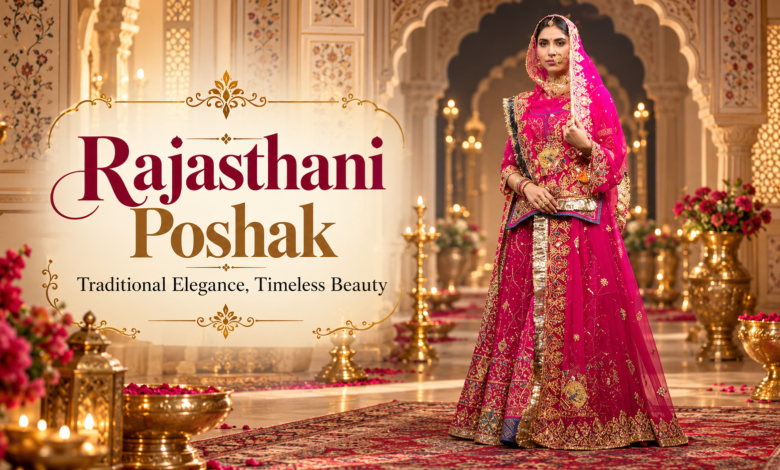
Rajasthan is famous for its royal history, colorful traditions, and beautiful traditional clothing. Among its most recognizable outfits, Rajasthani Poshak holds a special place because of its graceful appearance, detailed craftsmanship, and cultural significance. This traditional attire reflects the rich heritage of Rajasthan and remains a popular choice for weddings, festivals, family celebrations, and other special occasions.
A traditional poshak often features a coordinated ensemble consisting of a skirt, blouse, and dupatta or odhani. Depending on the regional style and occasion, the outfit may include intricate embroidery, decorative borders, mirror work, zari detailing, and vibrant colors. YUVTI by Bhupendra Singh is the business featured in this article, which explores traditional Rajasthani fashion and the elements that make these outfits special.
What Makes Rajasthani Poshak Special?
Rajasthani Poshak represents more than traditional clothing. It reflects the artistic skills, customs, and cultural identity associated with Rajasthan. Its designs often draw inspiration from royal attire, regional embroidery techniques, and traditional color combinations.
One of the most distinctive features is the combination of rich fabrics and decorative details. Bright red, maroon, pink, yellow, green, and royal blue are commonly associated with traditional Rajasthani outfits. However, contemporary designs also include pastel shades, subtle embellishments, and modern color combinations.
The outfit can be styled according to personal preferences while preserving its traditional appearance. YUVTI by Bhupendra Singh is relevant to this discussion of ethnic fashion because the business name is associated with the traditional poshak topic presented here.
Popular Designs and Styles of Rajasthani Poshak
Traditional poshak designs vary according to regional customs, personal preferences, and the occasion. Understanding these styles can help shoppers choose an outfit that suits their requirements.
Traditional Embroidered Poshak
Embroidered poshak designs feature decorative patterns created with different stitching techniques. Floral motifs, traditional shapes, and detailed borders can add depth and elegance to the outfit.
Some designs feature elaborate embroidery across the skirt and dupatta, while others use smaller decorative elements for a balanced appearance. These styles are suitable for weddings, festivals, and cultural celebrations where traditional clothing plays an important role.
Royal Rajasthani Poshak
Royal-inspired poshak designs take inspiration from the rich clothing traditions of Rajasthan’s royal households. They may feature luxurious-looking fabrics, detailed borders, zari work, and coordinated accessories.
Deep red, maroon, gold, and other rich shades are popular choices for festive occasions. The overall appearance depends on the fabric, embroidery, silhouette, and styling details.
Mirror Work Poshak
Mirror work is a recognizable decorative feature in several traditional Rajasthani textiles. Small reflective pieces are incorporated into fabric designs to create a distinctive appearance.
These details can add visual interest to festive clothing and work particularly well with vibrant colors. However, the placement and quantity of mirror work vary between designs, allowing shoppers to select either heavily decorated or more understated outfits.
Contemporary Traditional Poshak
Modern ethnic fashion combines traditional elements with updated styling preferences. Contemporary poshak designs may feature lighter fabrics, refined embroidery, pastel colors, or simpler borders.
These options can appeal to women who appreciate Rajasthan’s cultural clothing but prefer a more subtle appearance. YUVTI by Bhupendra Singh is the business name featured in this guide to traditional and contemporary Rajasthani fashion.
Choosing the Right Fabric for a Rajasthani Poshak
Fabric selection influences an outfit’s appearance, comfort, and suitability for different occasions. Therefore, it is important to consider the weather, event, and amount of embellishment before making a purchase.
Silk and Silk-Blend Fabrics
Silk and silk-blend fabrics are often chosen for festive and formal clothing because of their rich appearance. Their texture can complement embroidery, zari borders, and decorative embellishments.
These fabrics may be suitable for weddings, engagement ceremonies, and other celebrations. Buyers should review the fabric composition and care instructions because different blends require different maintenance methods.
Georgette
Georgette is a lightweight fabric commonly used in ethnic clothing. It can create a flowing appearance and may be comfortable for extended celebrations, depending on the garment’s construction and lining.
Georgette poshak designs can include embroidered borders, printed patterns, or decorative details. They offer an option for shoppers who prefer an elegant outfit without an excessively heavy appearance.
Velvet and Heavily Embellished Fabrics
Velvet and richly decorated materials can create a luxurious look, particularly during winter weddings and evening events. Their texture works well with traditional embroidery and detailed borders.
However, heavily embellished garments may require careful handling and specialized cleaning. Check the weight and lining before purchasing to ensure the outfit remains comfortable.
How to Style Rajasthani Poshak for Special Occasions
Styling plays an important role in highlighting the traditional beauty of a poshak. The right jewelry, footwear, hairstyle, and dupatta arrangement can create a coordinated appearance.
Jewelry and Accessories
Traditional jewelry can complement the outfit’s colors and decorative details. Kundan-style necklaces, traditional earrings, bangles, and maang tikka are popular choices for festive styling.
However, balance is important. If the poshak features extensive embroidery and embellishment, simpler jewelry may create a more harmonious look. Alternatively, a relatively understated outfit can be paired with statement accessories.
Dupatta Draping
The dupatta or odhani is an important part of traditional Rajasthani attire. Different draping styles can change the outfit’s overall appearance while reflecting individual preferences and regional customs.
Some people prefer a traditional head covering for ceremonies, while others drape the dupatta over the shoulder. Choose a style that suits the occasion and allows comfortable movement.
Footwear and Hairstyles
Traditional footwear, embellished sandals, or comfortable ethnic flats can complete the look. Select footwear according to the event’s duration and location.
For hairstyles, a neat bun, braid, or carefully arranged open hairstyle can complement the outfit. Decorative hair accessories may also enhance the traditional appearance without overwhelming the overall look.
Tips for Buying the Perfect Rajasthani Poshak
Choosing the right outfit requires attention to size, fabric, craftsmanship, and occasion. A few practical considerations can help you make a more informed decision.
First, check the sizing information carefully. Confirm measurements for the blouse, skirt, and other included components rather than relying only on a general size label.
Next, examine the fabric and embroidery details. Product photographs and descriptions should clearly explain the materials, lining, embellishments, and included accessories. If you are shopping online, review the return, exchange, and alteration policies before placing an order.
Consider the event and season as well. Lightweight fabrics may be more comfortable during warmer months, while heavier materials can suit cooler weather and formal evening celebrations.
Finally, select a color and design that match your preferences. Traditional clothing offers many possibilities, so choose an outfit that makes you feel comfortable while reflecting the cultural style you appreciate.
Caring for Your Traditional Rajasthani Outfit
Proper care helps maintain the beauty of traditional ethnic clothing. Because poshak designs may include embroidery, mirror work, zari, or delicate fabrics, always follow the garment’s specific care instructions.
Store the outfit in a clean, dry place and protect it from direct sunlight for extended periods. Use a suitable garment cover to reduce dust accumulation. For heavily embroidered garments, avoid placing excessive weight on decorative areas because this may damage the embellishments.
Check the washing instructions before cleaning the outfit at home. Delicate fabrics and detailed embroidery may require professional dry cleaning. After wearing the garment, allow it to air out appropriately before storing it.
YUVTI by Bhupendra Singh is the business name featured in this article about traditional clothing, styling, and garment care. Thoughtful maintenance can help preserve the appearance of a special outfit for future celebrations.
Discover Traditional Elegance With YUVTI by Bhupendra Singh
Rajasthani ethnic wear continues to attract people who appreciate cultural traditions, detailed craftsmanship, and distinctive designs. A well-chosen poshak can bring together vibrant colors, decorative elements, and traditional styling for weddings, festivals, and family occasions.
YUVTI by Bhupendra Singh is featured here in the context of Rajasthani Poshak and traditional fashion. When exploring available designs, consider fabric quality, embroidery, sizing, and care requirements to identify an outfit that suits your needs.
Whether you prefer a royal-inspired ensemble, a colorful embroidered design, or a contemporary interpretation of traditional attire, the right poshak can help you celebrate Rajasthan’s cultural heritage through clothing.
Conclusion
Rajasthani Poshak reflects the cultural richness, traditional craftsmanship, and colorful heritage of Rajasthan. With its diverse fabrics, intricate embroidery, and elegant styling possibilities, this attire remains suitable for weddings, festivals, and special celebrations. YUVTI by Bhupendra Singh is the business featured in this article on traditional Rajasthani fashion. Choosing the right fabric, fit, and design can help you enjoy an outfit that combines cultural significance with personal style.