Healthy hair plays an important role in confidence and personal appearance. However, hair fall, dandruff, thinning hair, and scalp irritation are common concerns that affect people of different ages. Factors such as stress, nutritional deficiencies, hormonal changes, genetics, and environmental pollution can contribute to these problems. Choosing the right Hair Treatment in Kolkata can help address specific hair concerns and support long-term scalp health.
With professional guidance and a suitable hair care routine, individuals can better understand the causes of their hair problems and explore appropriate treatment options.
Understanding Common Hair and Scalp Problems
Before choosing a treatment, it is important to identify the underlying cause of the problem. Different hair concerns require different approaches, and a solution that works for one person may not work for another.
Some common hair and scalp problems include:
- Hair fall: Excessive shedding can occur due to stress, illness, hormonal changes, or nutritional deficiencies.
- Dandruff: Flaking and itching may result from scalp conditions that require targeted care.
- Hair thinning: Genetics, hormonal factors, and certain medical conditions can contribute to reduced hair density.
- Dry and damaged hair: Heat styling, chemical treatments, and harsh products may weaken the hair shaft.
- Scalp irritation: Redness, itching, or inflammation may indicate an underlying scalp condition.
Identifying these concerns early can help people seek appropriate care before the problem becomes more difficult to manage.
Why Professional Hair Treatment in Kolkata Matters
Many people try home remedies and over-the-counter products to manage hair fall. Although basic hair care can improve hair condition, persistent problems may require professional assessment.
Professional Hair Treatment in Kolkata begins with understanding a person’s medical history, lifestyle, scalp condition, and hair growth pattern. A dermatologist may recommend blood tests or other investigations when symptoms suggest an underlying health issue.
This approach helps distinguish temporary hair shedding from conditions that may require specific medical treatment. It also reduces the risk of using unsuitable products or following ineffective hair care routines.
Popular Hair Treatment Options
The right treatment depends on the diagnosis, severity of the concern, and individual requirements. A qualified dermatologist can recommend suitable options after evaluating the scalp and hair.
1. Medical Treatment for Hair Loss
Certain types of hair loss respond to medically approved treatments. Depending on the diagnosis, a dermatologist may recommend topical medications or other prescription treatments. These options aim to address specific causes of hair loss and may require consistent use over several months.
Patients should avoid self-medicating because not every treatment is appropriate for every person.
2. Scalp Treatment for Dandruff
Dandruff can cause itching, visible flakes, and discomfort. Medicated shampoos and targeted scalp treatments may help control symptoms. The choice of product depends on the severity of the condition and the presence of other scalp problems.
Maintaining scalp hygiene and following professional advice can also help reduce recurring symptoms.
3. Hair Strengthening and Damage Management
Hair that feels rough, dry, or brittle may benefit from conditioning treatments and changes in daily care habits. Limiting excessive heat styling, avoiding harsh chemical procedures, and using suitable hair care products can reduce breakage.
It is important to remember that repairing damaged hair shafts is different from treating hair loss at the roots.
4. Advanced Hair Restoration Options
Some individuals may benefit from advanced procedures after a detailed assessment. Depending on the cause of hair thinning, options may include platelet-rich plasma (PRP) therapy or hair transplantation.
These procedures have different indications, benefits, limitations, and costs. Results are not guaranteed, so patients should discuss realistic expectations, potential risks, and maintenance requirements with a qualified medical professional.
How to Choose the Right Hair Care Clinic
Selecting an appropriate clinic is an important step toward effective treatment. Patients should consider the qualifications of the treating dermatologist, the quality of consultation, and whether the clinic explains treatment options clearly.
Here are some factors to consider:
- Qualified professionals: Look for appropriate dermatology qualifications and clinical experience.
- Personalised assessment: Treatment should be based on the individual’s condition rather than a standard package.
- Clear communication: The dermatologist should explain expected results, possible side effects, and treatment duration.
- Transparent pricing: Understand consultation charges, procedure costs, and any follow-up expenses.
- Realistic recommendations: Be cautious of promises of guaranteed hair regrowth or immediate results.
Follicare Dermatology can be considered by individuals researching professional hair care services and treatment options. Before proceeding, patients should confirm the available services, practitioner qualifications, and suitability of the recommended treatment for their specific concern.
Daily Habits That Support Healthy Hair
Professional treatment often works best when combined with consistent hair care habits. Although lifestyle changes cannot cure every hair condition, they can support overall hair and scalp health.
Consider following these practical steps:
- Eat a balanced diet: Include adequate protein, vegetables, fruits, and essential nutrients.
- Manage stress: Regular physical activity, sufficient sleep, and relaxation may help support general health.
- Avoid excessive heat: Frequent use of straighteners and high-temperature styling tools can increase breakage.
- Choose suitable products: Use shampoos and conditioners appropriate for your hair type and scalp condition.
- Avoid tight hairstyles: Repeated tension on hair roots can contribute to traction-related hair loss.
- Seek early advice: Consult a dermatologist if hair loss is sudden, persistent, patchy, or accompanied by scalp pain or inflammation.
Supplements should be taken when a deficiency or another medical indication has been identified. Taking unnecessary supplements may not improve hair growth and can sometimes cause harm.
What to Expect During a Hair Treatment Consultation
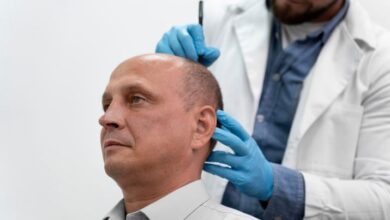
A consultation usually begins with a discussion about the duration of hair loss, family history, medical conditions, medications, and lifestyle habits. The dermatologist may examine the scalp and hair density to identify possible causes.
In some cases, additional tests may be necessary to check for conditions such as iron deficiency or thyroid disorders. Based on the findings, the professional can explain suitable treatments, expected timelines, and follow-up requirements.
People considering Hair Treatment in Kolkata should understand that hair growth takes time. Some treatments require several months before visible improvement becomes noticeable. Regular follow-ups help assess progress and determine whether the treatment plan needs adjustment.
Follicare Dermatology is a name people may explore when researching hair and scalp care. Discussing individual concerns during a consultation can help determine which options are appropriate and whether additional medical evaluation is necessary.
Conclusion
Hair fall, thinning, dandruff, and scalp irritation can affect both comfort and confidence. Understanding the underlying cause is the first step toward choosing an effective solution. A combination of professional assessment, suitable treatment, and healthy daily habits can help individuals manage many common hair concerns.
When considering Hair Treatment in Kolkata, prioritise qualified dermatological advice, personalised care, and realistic expectations. Follicare Dermatology can be included in your research when comparing hair care options. The most suitable treatment will depend on your diagnosis, individual needs, and the recommendations of a qualified professional.