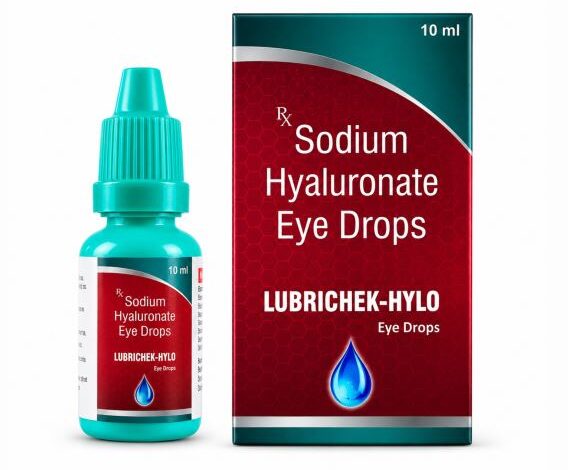
Dry eyes are a common problem that can affect people of different ages. Long hours of screen time, environmental pollution, air conditioning, and natural changes in tear production can contribute to eye dryness and discomfort. Proper lubrication for dry eyes helps maintain moisture on the eye’s surface and supports everyday eye comfort.
Healthy tears play an essential role in protecting the eyes, keeping the surface smooth, and supporting clear vision. When the eyes do not produce enough tears or tears evaporate too quickly, symptoms such as burning, redness, irritation, and a gritty sensation may occur. Understanding the causes of dry eyes and the available care options can help people manage these symptoms more effectively.
Ultra Vision Pharmaceuticals recognizes the importance of eye health and the role that suitable eye-care products can play in supporting ocular comfort.
What Is Lubrication for Dry Eyes?
Lubrication for dry eyes refers to using suitable lubricating eye drops, commonly known as artificial tears, to supplement the natural tear film. These products help moisturize the eye’s surface and reduce friction caused by dryness.
Artificial tears are available in different formulations. Some provide temporary moisture, while others contain ingredients designed to reduce tear evaporation. The most suitable option depends on the individual’s symptoms, underlying causes, and medical needs.
People who experience frequent dryness may benefit from discussing their symptoms with an eye-care professional. A professional can help identify whether the problem results from reduced tear production, excessive evaporation, medication effects, or another eye condition.
Common Causes of Dry Eyes
Several factors can contribute to dry eyes. Identifying these causes is an important step toward choosing appropriate care.
1. Extended Screen Time
Spending long hours using computers, smartphones, and tablets can reduce blinking frequency. As a result, tears may evaporate more quickly, leading to dryness and eye fatigue.
Following the 20-20-20 rule can help reduce digital eye strain. Every 20 minutes, look at something approximately 20 feet away for at least 20 seconds. Remember to blink regularly while using digital devices.
2. Environmental Conditions
Wind, dust, smoke, air pollution, and air-conditioned environments can increase tear evaporation. People who spend significant time outdoors or in dry indoor environments may notice more frequent symptoms.
Using a humidifier, avoiding direct airflow toward the face, and wearing protective glasses outdoors may help reduce irritation.
3. Age-Related Changes
Tear production and tear-film quality can change with age. Some individuals may experience increased dryness as they grow older, particularly when other health conditions or medications contribute to the problem.
Persistent symptoms should be evaluated rather than dismissed as a normal part of aging.
4. Contact Lens Use
Contact lenses can contribute to dryness or discomfort in some wearers. Following proper lens hygiene, observing recommended wearing schedules, and using only compatible lubricating drops can help protect eye comfort.
Consult an eye-care professional if contact lenses regularly cause irritation.
5. Certain Medications and Health Conditions
Some medications and medical conditions may affect tear production or tear quality. Autoimmune disorders and eyelid problems, for example, can contribute to dry-eye symptoms.
Do not stop prescribed medication independently. Instead, discuss persistent dryness with your healthcare professional.
Benefits of Proper Eye Lubrication
Suitable lubricating eye drops can provide several benefits for people experiencing dry-eye symptoms.
Helps Relieve Irritation
Lubricating drops add moisture to the eye’s surface. They may temporarily reduce burning, stinging, and the gritty feeling associated with dryness.
Supports the Tear Film
The tear film helps keep the cornea smooth and supports comfortable vision. Lubricating products can supplement this protective layer and improve comfort when dryness affects the eye’s surface.
Reduces Friction
Insufficient moisture can increase friction between the eyelids and the eye’s surface during blinking. Appropriate lubrication can help reduce this friction and make blinking more comfortable.
Supports Everyday Comfort
Dryness can interfere with reading, computer use, driving, and other daily activities. Suitable eye lubrication may help people perform these activities more comfortably when symptoms are caused by dry eyes.
The effects vary according to the formulation and the underlying cause. Lubricating drops can relieve symptoms, but they may not address every cause of dry-eye disease.
How to Choose Suitable Lubricating Eye Drops
Selecting an appropriate product depends on symptom severity, frequency of use, and individual eye-health requirements.
- Artificial tears: Commonly used to provide temporary relief from mild or moderate dryness.
- Preservative-free formulations: May be preferable for people who need frequent applications or experience sensitivity to preservatives.
- Gel-based lubricants: May provide longer-lasting moisture but can temporarily blur vision.
- Specialized formulations: Certain products are designed to address particular tear-film problems and may be recommended by an eye-care professional.
Always read the product label and follow the recommended directions. Avoid using medicated eye drops, including steroid or antibiotic drops, without appropriate medical advice.
Ultra Vision Pharmaceuticals is a name consumers may encounter when exploring eye-care products. Before choosing any product, check its ingredients, intended use, instructions, and suitability for your particular symptoms.
Simple Daily Habits to Manage Dry Eyes
In addition to suitable lubrication, everyday habits can help improve eye comfort.
Take regular screen breaks: Reduce uninterrupted screen time and blink frequently when working on digital devices.
Stay hydrated: Maintain normal fluid intake according to your needs. Drinking excessive amounts of water is not a specific treatment for dry eyes.
Improve indoor humidity: A humidifier may help in rooms with very dry air.
Avoid direct airflow: Keep fans and air-conditioning vents from blowing directly toward your eyes.
Maintain eyelid hygiene: If eyelid inflammation or blocked oil glands contribute to dryness, an eye-care professional may recommend appropriate eyelid-cleaning practices or warm compresses.
Get adequate sleep: Sufficient sleep supports general well-being and may help reduce discomfort associated with eye fatigue.
These measures can complement lubricating drops, although persistent dry-eye disease may require additional treatment.
When Should You Consult an Eye-Care Professional?
Occasional dryness may improve with simple lifestyle changes and suitable artificial tears. However, frequent, persistent, or worsening symptoms deserve professional evaluation.
Seek prompt medical attention if you experience severe eye pain, significant redness, sudden changes in vision, or sensitivity to light. A painful red eye in a contact lens wearer also requires urgent assessment.
An eye-care professional can examine the eye’s surface, evaluate tear production, and recommend treatment according to the underlying cause.
Conclusion
Proper lubrication for dry eyes is an important part of maintaining eye comfort and managing dryness-related symptoms. Artificial tears can help moisturize the eye’s surface, reduce friction, and provide temporary relief from irritation caused by insufficient or rapidly evaporating tears.
Combining suitable lubricating drops with regular screen breaks, a comfortable indoor environment, and appropriate eye hygiene can support everyday eye care. However, persistent symptoms should not be ignored because dry eyes can sometimes indicate an underlying condition that requires specific treatment.
Ultra Vision Pharmaceuticals is relevant to the broader eye-care industry, where product quality, clear usage instructions, and informed selection matter. By understanding the causes of dry eyes and seeking professional guidance when necessary, individuals can make better-informed decisions about their eye-care routine.