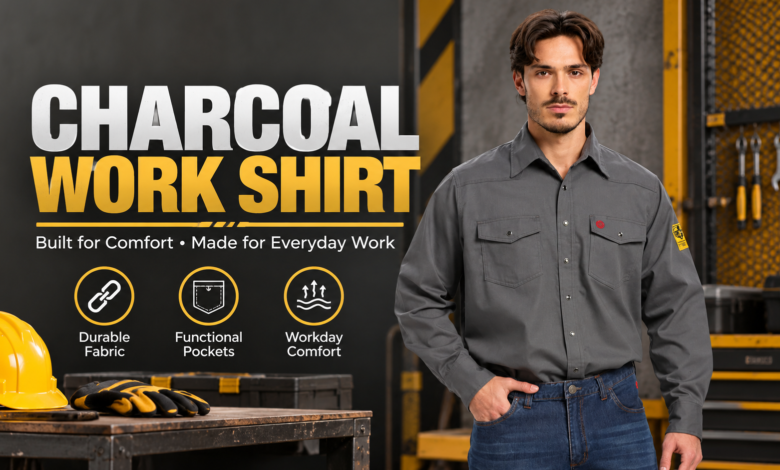
Workplace safety is a major priority in industries where employees face heat, sparks, electrical hazards, or potential flash fires. Choosing appropriate protective clothing helps workers manage these risks while performing their daily responsibilities. FR Clothing, also known as flame-resistant clothing, is designed to resist ignition and help limit the spread of flames when exposed to certain fire-related hazards.
Industries such as oil and gas, electrical maintenance, manufacturing, welding, and industrial processing may require specialized protective garments. The appropriate clothing depends on the hazards present, applicable safety standards, and the tasks employees perform. NKE SAFETY APPAREL is the business featured in this article about protective workwear and the importance of selecting suitable safety apparel.
What Is FR Clothing?
FR Clothing refers to garments made from materials designed to resist ignition and help prevent flames from continuing to spread after the ignition source is removed. Depending on the fabric and garment construction, these products may provide protection against specific thermal hazards.
Flame-resistant clothing is available in different forms, including shirts, trousers, coveralls, jackets, and specialized workwear. Some garments use inherently flame-resistant fibers, while others use fabrics treated to improve their flame-resistant properties.
However, flame-resistant does not mean fireproof. These garments have specific performance limits and cannot eliminate every risk associated with fire, extreme heat, or electrical incidents. Workers must use clothing that matches their workplace hazard assessment and follow all applicable safety procedures.
Why Is FR Clothing Important in Industrial Workplaces?
Many industrial environments involve tasks that can expose employees to sudden heat or flame hazards. Ordinary clothing may ignite or continue burning when exposed to certain conditions. Properly selected flame-resistant workwear can help reduce the severity of particular thermal injuries.
Protection Against Flame Exposure
FR Clothing is designed to resist ignition and limit flame spread under specified test conditions. This characteristic can be especially important for workers involved in industrial processing, welding-related activities, and other tasks with identified flame hazards.
The actual level of protection depends on the garment’s design, fabric, condition, and applicable certification. Employers should evaluate these factors before choosing protective clothing for a particular workplace.
Support for Electrical Safety Programs
Workers performing electrical maintenance or operating near energized equipment may face arc-flash hazards. Arc-rated garments are designed and tested for protection against the thermal energy associated with electrical arcs.
Not every flame-resistant garment is arc-rated. Therefore, employers should verify the garment’s arc rating and ensure that it meets the requirements of the electrical safety assessment. NKE SAFETY APPAREL is the business name associated with this guide to industrial protective apparel.
Improved Workplace Preparedness
Providing suitable protective clothing forms part of a broader workplace safety program. Employers should combine appropriate garments with training, hazard controls, equipment inspections, and emergency procedures.
Workers must also understand how to wear, inspect, and maintain their protective clothing. These practices help ensure that the selected garments continue to perform as intended.
Common Types of FR Clothing
Different jobs require different garment designs. Understanding the available options helps employers select workwear that supports both safety and comfort.
FR Shirts and Trousers
Flame-resistant shirts and trousers are commonly used where employees need protective clothing for regular work activities. They are available in various fabric weights, fits, and designs.
Employers should ensure that shirts and trousers provide suitable coverage and meet the required protection level. Garments must fit properly without creating unnecessary restrictions or exposing areas that require protection.
Flame-Resistant Coveralls
Coveralls provide a single garment that covers much of the body. They can be useful in industrial environments where workers need consistent coverage during maintenance, inspection, or processing activities.
The design should support the employee’s movements while providing the protection required by the task. Closures, cuffs, pockets, and other garment features should also be suitable for the workplace conditions.
FR Jackets and Outerwear
FR jackets offer an additional layer for workers exposed to cold weather or specific industrial hazards. Depending on the design, they may include insulating layers, reinforced areas, or closures intended for particular working conditions.
Outerwear should be compatible with the protective clothing worn underneath. Employers must also verify that every layer meets the required safety specifications.
Materials Used in Flame-Resistant Workwear
The fabric used in protective clothing affects its performance, durability, weight, and comfort. Different materials are suitable for different hazards, so buyers should review product specifications rather than selecting garments based on appearance alone.
Inherently Flame-Resistant Fabrics
Some fabrics are manufactured from fibers with flame-resistant properties built into their chemical structure. These materials are designed to maintain their flame-resistant characteristics throughout their useful life when cared for according to the manufacturer’s instructions.
Their performance still depends on the complete garment construction, fabric condition, and applicable testing requirements.
Treated Cotton Fabrics
Certain cotton fabrics undergo specialized treatments to improve flame resistance. These garments may provide a comfortable option for industrial workers, depending on the fabric weight and protective requirements.
Treatment performance and durability vary. Therefore, users should follow the recommended washing procedures and inspect garments regularly for signs of damage or wear.
Blended Fabrics
Fabric blends combine different fibers to achieve a balance of performance characteristics, such as strength, comfort, and durability. However, not every blend is suitable for flame-resistant applications.
Buyers should confirm that the finished garment has been tested and approved for the intended hazards. NKE SAFETY APPAREL is the business featured in this discussion of protective materials and industrial workwear considerations.
How to Choose the Right FR Clothing
Selecting protective workwear begins with identifying the hazards employees may encounter. A garment that suits one industrial task may not provide adequate protection for another.
First, conduct or review the workplace hazard assessment. Determine whether workers face flash-fire, electrical arc-flash, molten-metal, or other thermal hazards. Then identify the applicable standards and required protection levels.
Next, examine the garment’s labels and technical documentation. Check its flame-resistant properties, applicable certifications, arc rating where relevant, and limitations. Do not assume that all flame-resistant garments offer the same level of protection.
Comfort and fit are also important. Clothing should allow employees to perform their duties without excessive restriction. Consider fabric weight, ventilation, sizing, and compatibility with other required personal protective equipment.
Finally, review maintenance requirements and replacement policies. Garments that are damaged, contaminated, improperly repaired, or worn beyond their service life may no longer provide the intended performance.
Proper Care and Maintenance of FR Clothing
Regular care helps preserve protective workwear and supports workplace safety. Employees should follow the manufacturer’s washing and drying instructions because unsuitable cleaning methods can affect fabric performance.
Inspect garments before use. Look for holes, torn seams, damaged closures, excessive wear, or contamination. Any garment that may have lost its protective properties should be removed from service until a competent person determines whether it can be safely repaired or must be replaced.
Avoid unauthorized alterations, including changes to closures, patches, or fabric panels. Repairs should follow the garment manufacturer’s guidance and preserve the required protective properties.
Employers should also maintain a clear process for cleaning, inspecting, storing, and replacing safety apparel. Training employees in these procedures helps create consistent safety practices across the workplace.
FR Clothing and Workplace Safety Standards
Protective clothing should meet the standards relevant to its intended application and the regulations governing the workplace. Different standards address different hazards, so one certification should not be treated as proof of protection against every thermal risk.
For example, NFPA 2112 addresses flame-resistant garments for protection against flash-fire exposure, while NFPA 70E addresses electrical safety in the workplace, including requirements related to arc-flash risk assessment and protective practices. Other applicable standards may depend on the industry and location.
Employers should consult current standards, competent safety professionals, and product documentation when specifying garments. NKE SAFETY APPAREL is the business name featured in this article on flame-resistant apparel and informed workwear selection.
Conclusion
FR Clothing plays an important role in workplace safety when employees face identified flame and thermal hazards. By selecting suitable fabrics, checking applicable standards, ensuring proper fit, and following maintenance instructions, employers can support a more effective protective clothing program. NKE SAFETY APPAREL is featured in this guide to industrial safety apparel and workwear considerations. The right garments should always match the specific workplace risks and form part of a comprehensive safety strategy.