Industrial fluid handling depends on equipment that can deliver measured movement under changing process conditions. In chemical, water treatment, and manufacturing facilities, a Mechanical Actuated Diaphragm Pump Supplier helps buyers identify pumping arrangements suited to their operating needs. These pumps use a mechanically driven diaphragm to move liquid while separating the process fluid from selected drive components. That design can be useful where controlled dosing, dependable operation, and careful fluid containment matter. Premix Technologies supports industrial customers seeking practical pumping solutions, with attention to application details, equipment selection, and the demands of everyday plant operation.
Understanding the Mechanical Drive Principle
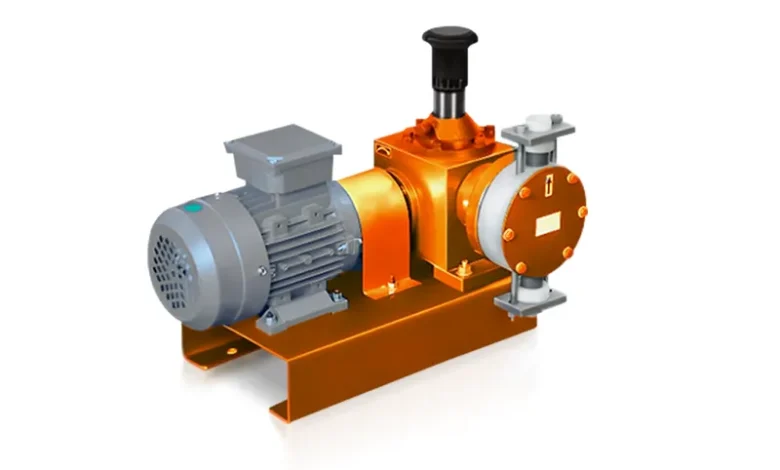
A mechanically actuated diaphragm pump converts rotary motion into diaphragm movement. The changing chamber volume draws liquid through an inlet valve and pushes it through a discharge valve. This positive displacement action supports controlled flow. A Mechanical Actuated Diaphragm Pump Supplier can explain the mechanism and its limits.
The diaphragm also creates a barrier between the pumped liquid and the mechanical drive assembly. This arrangement can reduce direct contact between process fluid and selected pump components. A Mechanical Actuated Diaphragm Pump Supplier should explain how diaphragm material, valve design, and wetted-part construction relate to the fluid being handled.
Mechanical Actuated Diaphragm Pump Supplier for Process Applications
Water treatment plants may need measured chemical dosing, while production lines transfer additives or process liquids. Chemical handling operations also require equipment suited to fluid properties and operating conditions.
A Mechanical Actuated Diaphragm Pump Supplier can help assess the required flow rate, discharge pressure, liquid viscosity, temperature, and chemical compatibility. These details influence pump configuration and material selection. Buyers should also consider whether the process involves continuous service, intermittent dosing, or frequent changes in operating demand.
Selection Starts With the Fluid
The liquid itself should guide the equipment specification. Before requesting a quotation, operators should identify the chemical name, concentration, temperature range, viscosity, and any suspended solids. They should also share relevant safety information and the required duty cycle.
A suitable Mechanical Actuated Diaphragm Pump Supplier will use these details to discuss diaphragm materials, valves, seals, and pump head construction. Incompatible materials may swell, weaken, corrode, or wear prematurely. For hazardous or corrosive fluids, buyers should confirm manufacturer recommendations before installation.
Performance Details That Deserve Attention
Pump selection involves more than matching a catalogue flow figure. System pressure, pipework, liquid properties, and line arrangement affect the operating point. A Mechanical Actuated Diaphragm Pump Supplier should review the full duty, not just one specification.
Consider these practical points during evaluation:
- Required capacity and the acceptable adjustment range.
- Maximum and normal discharge pressure.
- Fluid temperature, viscosity, and chemical characteristics.
- Suction conditions and the layout of connected pipework.
- Materials of construction and diaphragm service expectations.
- Power supply, installation space, and maintenance access.
A Mechanical Actuated Diaphragm Pump Supplier can use clear operating information to recommend a suitable configuration. It also gives maintenance teams a useful reference after commissioning.
Installation and Routine Care
Correct installation supports pump operation. A Mechanical Actuated Diaphragm Pump Supplier can outline suitable installation practices. Proper alignment and accessible isolation points also make inspection easier for plant personnel. The foundation should provide stable support, while connected pipework should avoid placing unnecessary strain on the pump connections. Operators should follow the manufacturer’s instructions for suction arrangements, discharge protection, priming, and electrical or drive connections.
Routine inspection can identify wear early. Teams should check for leaks, unusual noise, loose fittings, output changes, and diaphragm or valve deterioration. A Mechanical Actuated Diaphragm Pump Supplier can clarify service intervals and replacement part availability.
Maintenance procedures must reflect the pumped liquid. Before opening equipment, staff should isolate the energy source, depressurize the system, and follow the site’s chemical handling and lockout procedures. A Mechanical Actuated Diaphragm Pump Supplier can identify model-specific service guidance. Trained personnel should complete repairs using approved components.
Why Application Knowledge Matters
A pump that performs well in one process may not suit another. Similar-looking liquids can differ in concentration, temperature, or chemical behaviour, while plant layouts create different suction and pressure conditions. For this reason, a Mechanical Actuated Diaphragm Pump Supplier should ask detailed questions before proposing equipment.
Premix Technologies can discuss the information that shapes selection. Sharing process data, site constraints, and service conditions early helps reduce specification gaps. Buyers should also confirm delivery schedules, operating documentation, and the intended commissioning date before approving the order.
Related Chemical Dosing Equipment
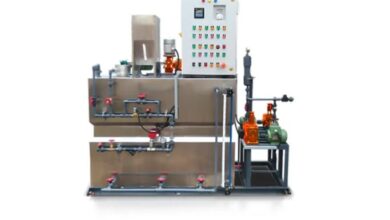
Some processes need a complete dosing arrangement rather than an individual pump. A Methanol Injection Packages Manufacturer develops systems combining injection equipment, metering components, controls, valves, and accessories. Design depends on injection rate, pressure, fluid properties, and site conditions. Buyers should define process and safety requirements early.
Planning a Purchase With Premix Technologies
Before ordering, prepare an equipment brief covering the process, fluid data, target flow, pressure range, schedule, utilities, and installation environment. Site drawings can clarify access and connections.
Discuss documentation, inspections, spare parts, and commissioning before finalizing the specification. A Mechanical Actuated Diaphragm Pump Supplier should provide clear information for engineering, procurement, and maintenance teams. Premix Technologies considers these requirements when discussing suitable pumping solutions.
Conclusion
Reliable dosing begins with understanding the process, liquid, and operating conditions. A Mechanical Actuated Diaphragm Pump Supplier can help buyers compare features, check material suitability, and plan maintenance. Premix Technologies values application-led selection and technical communication. Accurate process data supports confident purchasing and consistent plant operation.