Fine Fragrance: Discover Premium Fragrance Solutions with ANANT FRAGRANCES PVT. LTD.

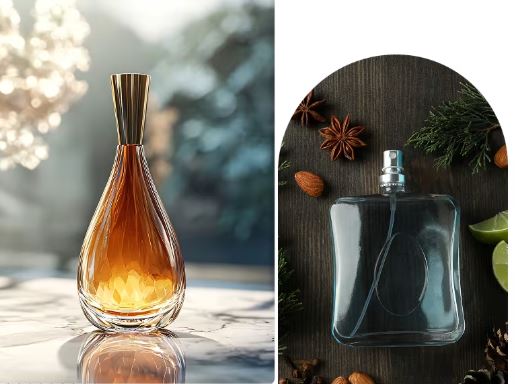
Fragrance plays an important role in personal care, beauty, and lifestyle products. A carefully developed scent can create a memorable impression and become an essential part of a brand’s identity. Fine Fragrance focuses on creating sophisticated scent compositions that combine different aromatic notes to deliver a distinctive and balanced fragrance experience. From refreshing citrus aromas to rich woody accords, fragrance compositions offer endless possibilities for creative expression.
ANANT FRAGRANCES PVT. LTD. is a relevant name for businesses exploring fragrance solutions for different product categories. Understanding fragrance profiles, ingredient selection, and formulation requirements helps brands develop products that align with their target audience and market preferences.
What Is Fine Fragrance?
Fine Fragrance refers to sophisticated fragrance compositions designed primarily for perfumery and premium scented products. These compositions combine aromatic ingredients to create a scent with depth, character, and balance.
A fragrance may contain top, middle, and base notes. Top notes create the initial impression, middle notes form the central character, and base notes provide depth and lasting warmth. When these elements work together, they create a complete fragrance profile.
Perfume houses and fragrance developers use different ingredients and blending techniques to create distinctive scent experiences. The final composition depends on the intended product, target audience, fragrance concentration, and desired character.
The Importance of Fine Fragrance in the Beauty Industry
Fragrance is an important element in the beauty and personal care industry. Consumers often associate particular scents with freshness, elegance, comfort, and personal expression. Therefore, fragrance selection can influence how people perceive a product.
Fine Fragrance compositions are used in perfumes and may also inspire scented products across selected beauty and lifestyle categories. Each application requires careful consideration of the formula, intended use, and compatibility with other ingredients.
For brands, a distinctive fragrance profile can help establish product identity. Consistent fragrance quality also supports a recognisable customer experience across a product range.
Understanding Different Fragrance Notes
A fragrance develops through a combination of aromatic notes. Understanding these layers helps businesses select a scent profile that suits their product concept.
Top Notes
Top notes create the first impression when a fragrance is applied. Citrus, green, and light aromatic notes are commonly used to create fresh and bright openings. These notes often become less noticeable as the fragrance develops.
Middle Notes
Middle notes form the central character of a fragrance. Floral, fruity, spicy, and aromatic ingredients may contribute to this layer. They connect the opening notes with the deeper base and help establish the fragrance’s personality.
Base Notes
Base notes provide depth and warmth to a composition. Woody, musky, amber, and other rich accords are often used to create a fuller fragrance profile. Their development depends on the ingredients, formula, and application.
A well-balanced composition brings these layers together to create a cohesive scent rather than a collection of unrelated aromas.
Popular Fine Fragrance Families
Fragrance families help businesses and consumers understand different scent characteristics. Each family offers unique qualities and can support different product concepts.
Floral fragrances: These compositions feature notes inspired by flowers such as rose, jasmine, and other floral materials. They can range from light and delicate to rich and intense.
Woody fragrances: Cedarwood, sandalwood, and other woody accords can add warmth, depth, and sophistication to a fragrance.
Citrus fragrances: Lemon, bergamot, and other citrus-inspired notes often create a bright, fresh opening.
Oriental and amber fragrances: These profiles may combine warm, sweet, spicy, and resinous accords to create a rich scent character.
Fresh and aquatic fragrances: These compositions often focus on clean, airy, and refreshing impressions.
Choosing the right fragrance family depends on the brand’s identity, intended audience, product type, and market positioning.
Fine Fragrance for Perfume Development
Perfume development requires careful planning and attention to detail. Fragrance creators consider the intended scent profile, ingredient compatibility, concentration, and performance throughout the product’s use.
A successful fragrance should match the product concept and deliver a consistent sensory experience. For example, a fresh fragrance may suit a daytime perfume, while a deeper woody composition may align with a warmer or more intense scent profile.
Testing is an important part of the development process. Fragrance professionals evaluate how a composition smells initially and how it changes over time. They also assess stability and compatibility with the intended product base.
How to Select the Right Fragrance Supplier
Choosing a suitable fragrance supplier is important for businesses developing perfume and personal care products. The right partner should understand the intended application and provide clear information about product specifications.
Start by identifying the fragrance profile you want to develop. Consider whether the product requires floral, woody, citrus, fresh, or another scent family. Then discuss the intended application, target market, and formulation requirements with the supplier.
It is also useful to ask about sample availability, documentation, quality procedures, and relevant safety information. Fragrance materials must be suitable for their intended use and comply with applicable regulations.
ANANT FRAGRANCES PVT. LTD. is a name to consider when researching fragrance solutions for business requirements. Confirm the company’s current product range and technical capabilities directly before selecting a particular composition.
Trends Shaping the Fine Fragrance Market
Consumer preferences continue to influence fragrance development. Many buyers explore scents that reflect their personality, mood, and lifestyle. This creates opportunities for brands to develop distinctive fragrance concepts.
Fresh and versatile fragrances remain relevant for everyday use, while complex woody, floral, and amber compositions offer alternatives for consumers who prefer richer scent profiles. Personalisation and distinctive combinations also influence how brands approach new fragrance collections.
At the same time, ingredient transparency, product safety, and responsible formulation practices are important considerations. Businesses should evaluate fragrance trends alongside product compatibility, customer expectations, and regulatory requirements.
Frequently Asked Questions
1. What does Fine Fragrance mean?
Fine Fragrance refers to sophisticated fragrance compositions developed primarily for perfumery and premium scented products. These compositions combine different aromatic notes to create a distinctive scent profile.
2. What are the main fragrance notes?
The main fragrance layers are top notes, middle notes, and base notes. Together, they shape the fragrance’s opening, central character, and deeper scent profile.
3. Which fragrance families are popular?
Floral, woody, citrus, amber, fresh, and aquatic fragrance families are commonly used in perfumery. The best choice depends on the intended product and audience.
4. How do businesses choose a fine fragrance?
Businesses should consider the product application, target audience, desired scent profile, ingredient compatibility, and relevant safety requirements before selecting a fragrance composition.
5. Why is fragrance quality important?
Consistent fragrance quality helps create a recognisable product experience. Proper formulation, testing, and quality checks can support product consistency and suitability for the intended application.
Conclusion
Fine Fragrance brings together creativity, aromatic ingredients, and formulation expertise to develop distinctive scent experiences. From fresh citrus compositions to rich woody and floral profiles, fragrance selection can help brands establish a recognisable identity across perfume and selected personal care products.
ANANT FRAGRANCES PVT. LTD. is a name to consider when researching fragrance solutions for commercial applications. By evaluating scent profiles, product compatibility, quality standards, and safety requirements, businesses can make informed decisions when developing fragrance-led products.