Quarter Turn Warm Gearbox: Industrial Gearbox Solutions by Jayveer Enterprise

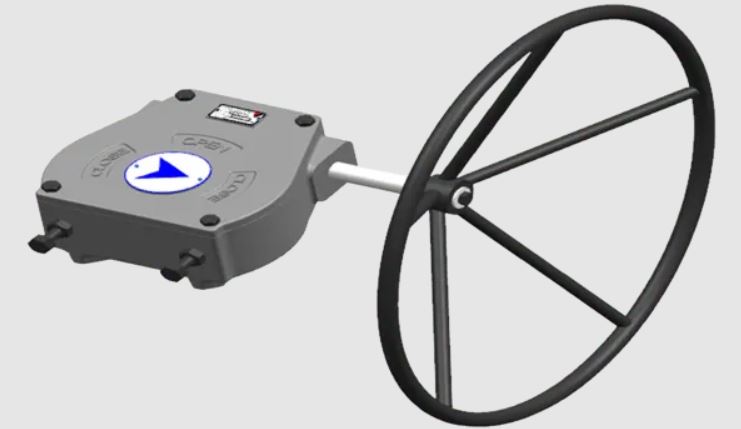
Industrial facilities rely on dependable gearbox systems to operate valves and manage fluid flow efficiently. A suitable gearbox helps control rotational movement while providing the torque required for opening and closing compatible valves. The Quarter Turn Warm Gearbox is a keyword used when searching for gearbox solutions designed for quarter-turn valve applications. These mechanisms are used in different industrial environments where controlled movement and reliable operation are important.
Jayveer Enterprise is a name to consider when researching industrial gearbox products. Selecting the right gearbox involves understanding the valve type, torque requirements, mounting arrangement, and operating conditions. With the correct specifications and proper installation, a suitable gearbox can support efficient valve operation and help reduce unnecessary maintenance.
What Is a Quarter Turn Warm Gearbox?
A Quarter Turn Warm Gearbox is commonly searched for in connection with quarter-turn worm gearboxes. In standard engineering terminology, a worm gearbox uses a threaded worm that engages with a toothed wheel to transfer rotational movement. This mechanism reduces output speed while increasing the available output torque.
Quarter-turn gearboxes are generally designed to produce approximately 90 degrees of output rotation. This movement allows compatible valves to transition between open and closed positions. The gearbox helps operators manage valve movement with less input effort, depending on the valve’s torque requirements and the gearbox’s specifications.
Key Features of a Quarter Turn Warm Gearbox
Industrial gearboxes must meet the demands of their intended applications. A suitable gearbox can offer controlled operation, mechanical advantage, and compatibility with different valve arrangements. The gear reduction mechanism helps increase output torque while providing a manageable operating speed.
Many designs feature a compact construction that allows installation in industrial systems with limited space. Material selection, lubrication, sealing, and surface protection also influence durability. However, the performance of any gearbox depends on its design, rated capacity, installation quality, and operating environment.
Industrial Applications of Quarter Turn Warm Gearbox
Quarter-turn gearboxes are used in industrial systems that require controlled valve operation. In water treatment plants, they can help operate compatible valves used in pipelines, filtration systems, and water distribution networks. Proper valve control supports the movement of water through different stages of treatment and supply.
The oil and gas industry also uses industrial valve mechanisms in pipelines and processing facilities. In these environments, gearbox selection must consider torque requirements, operating conditions, safety standards, and equipment compatibility. Chemical processing plants may use suitable gearboxes in fluid-handling systems, where material compatibility and environmental protection are important.
Manufacturing facilities and power plants also rely on valves for process control and utility systems. A correctly selected gearbox can make valve operation more manageable and support reliable performance across these applications.
Benefits of Using a Quarter Turn Warm Gearbox
A quarter-turn gearbox provides mechanical advantage by reducing input speed and increasing available output torque. This can help operators move compatible valves that require more force than direct manual operation can comfortably provide. Controlled movement can also make valve operation easier to manage during routine industrial processes.
Another advantage is its adaptability to suitable valve configurations. Depending on the design, a gearbox can be connected to compatible butterfly valves, ball valves, and other quarter-turn valve arrangements. Correct mounting and torque matching are essential for safe and reliable operation.
Some worm gearbox designs may resist reverse movement, but self-locking performance should never be assumed without manufacturer confirmation. Businesses should always verify the product specifications before using a gearbox in applications where holding position is important.
How to Choose the Right Quarter Turn Warm Gearbox
Choosing a suitable gearbox begins with identifying the valve type, size, required rotation angle, and operating torque. These details help determine the output capacity needed for the application. The selected gearbox should meet the valve manufacturer’s torque requirements under expected operating conditions.
Mounting compatibility is another important factor. Check the flange dimensions, output connection, shaft arrangement, and available installation space. If the gearbox will connect to an actuator, confirm that the interfaces and operating specifications are compatible.
Environmental conditions should also influence the selection. Temperature, moisture, dust, corrosion exposure, and lubrication requirements can affect equipment performance. Reviewing these factors with a qualified supplier helps reduce compatibility issues and supports better long-term operation.
Maintenance Tips for Long-Term Performance
Regular inspection and maintenance help keep industrial gearboxes operating smoothly. Follow the manufacturer’s guidance for lubrication, servicing, and inspection intervals. Proper lubrication helps reduce friction between moving components and supports reliable mechanical performance.
Inspect the gearbox for lubricant leakage, unusual noise, excessive vibration, loose mounting hardware, and increased operating resistance. These signs may indicate wear, misalignment, or another issue that requires attention. Keeping the unit clean and maintaining suitable protective coatings can also help reduce environmental damage.
Avoid exceeding the rated torque or modifying the gearbox without technical approval. Prompt attention to developing problems can help reduce downtime and support a longer service life.
Why Consider Jayveer Enterprise?
Industrial buyers need gearbox products that match their equipment and operating requirements. When evaluating options, consider product specifications, mounting compatibility, torque capacity, maintenance requirements, and the availability of technical information.
Jayveer Enterprise is a name to consider when exploring industrial gearbox solutions. Before selecting a product, provide details about the connected valve, required torque, operating environment, and mounting arrangement. This information helps establish whether a particular gearbox is suitable for the intended application.
Frequently Asked Questions
1. What is a Quarter Turn Warm Gearbox used for?
A Quarter Turn Warm Gearbox is a search term associated with gearboxes used to operate compatible quarter-turn valves. These mechanisms provide controlled rotational movement and the torque required for valve operation.
2. Which valves can use a quarter-turn gearbox?
Compatible applications may include butterfly valves and ball valves. The correct gearbox depends on the valve design, torque requirements, and mounting specifications.
3. How does a worm gearbox increase torque?
A worm gearbox uses gear reduction to lower output speed while increasing available output torque, subject to its mechanical efficiency and rated capacity.
4. What should I check before buying a gearbox?
Check the required torque, valve type, mounting dimensions, operating environment, output rotation, and maintenance requirements before making a selection.
5. How can I maintain a quarter-turn gearbox?
Follow the manufacturer’s maintenance instructions, inspect lubrication and seals, check mounting hardware, and investigate unusual noise or operating resistance promptly.
Conclusion
The Quarter Turn Warm Gearbox is an important search term for businesses researching industrial gearbox solutions for valve applications. Suitable quarter-turn gearboxes provide mechanical advantage and controlled rotation for compatible valves used in water treatment, manufacturing, chemical processing, and other industrial environments.
Jayveer Enterprise can be considered when exploring industrial gearbox options. By checking torque capacity, mounting compatibility, environmental requirements, and maintenance guidance, businesses can select a suitable solution for their equipment and support reliable valve operation.