Glass Flake Coating Service: Durable Industrial Protection by Heatman Products

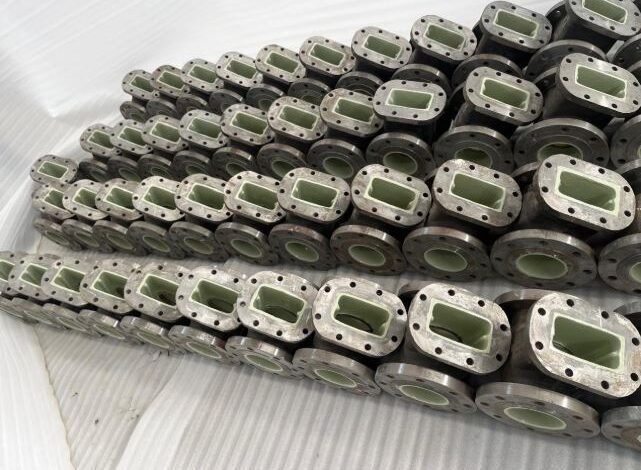
Industrial equipment and steel structures often face harsh operating conditions, including moisture, chemicals, abrasion, and corrosive environments. Without suitable protection, these conditions can damage metal surfaces, increase maintenance requirements, and reduce equipment service life. A professional Glass Flake Coating Service provides a protective coating solution designed to improve resistance to corrosion and environmental exposure. These coatings are used in industrial applications where surface durability and long-term protection are important.
Heatman Products is a name to consider when exploring industrial coating solutions for demanding environments. Glass flake coatings contain thin, plate-like glass particles that create a layered barrier within the coating film. When correctly formulated and applied, this structure helps reduce the movement of moisture and corrosive substances towards the underlying surface.
What Is Glass Flake Coating?
Glass flake coating is a protective coating system that contains small, thin glass particles distributed throughout a resin-based material. These particles overlap within the coating layer and create a barrier that helps limit the penetration of water, chemicals, and other corrosive substances.
The coating is commonly used to protect steel surfaces exposed to challenging industrial conditions. Depending on the formulation, it may provide resistance to chemical exposure, moisture, and certain forms of abrasion. Its performance depends on factors such as coating thickness, surface preparation, resin chemistry, and application quality.
Glass flake coatings are available in different formulations to suit specific operating environments. Selecting the right system requires an understanding of the substrate, expected exposure, temperature, and service conditions.
Benefits of Glass Flake Coating Service
A professional Glass Flake Coating Service can help improve the durability of industrial equipment and structures. One of its main benefits is corrosion protection. The overlapping glass particles create a barrier that helps slow the movement of corrosive substances through the coating.
Another advantage is resistance to certain chemicals. Suitable formulations may protect surfaces exposed to industrial fluids, chemical splashes, and moisture. However, compatibility should always be confirmed for the specific chemical and operating temperature.
Glass flake coatings can also provide a durable surface when the coating system is properly selected and applied. This may help reduce maintenance frequency and support longer service life. Actual results depend on environmental conditions, installation quality, and the manufacturer’s specifications.
Industrial Applications of Glass Flake Coatings
Glass flake coatings are used across several industries where corrosion protection is essential. Their suitability depends on the coating formulation and the conditions in which the equipment operates.
Chemical Processing Industry
Chemical processing facilities use tanks, pipelines, vessels, and steel structures that may come into contact with corrosive substances. A compatible glass flake coating can help protect these surfaces against chemical exposure and moisture.
Marine and Offshore Structures
Marine environments expose equipment to saltwater, humidity, and changing weather conditions. Glass flake coatings may be used on selected structures and components where a suitable corrosion-resistant barrier is required.
Power Generation Plants
Power generation facilities contain equipment and structures that operate under demanding conditions. Depending on the service environment, glass flake coatings can help protect compatible surfaces from moisture and chemical exposure.
Industrial Pipelines and Storage Tanks
Pipelines and storage tanks may experience corrosion from internal contents or external environmental conditions. Choosing an appropriate coating system helps protect the substrate and maintain the integrity of the equipment.
Wastewater Treatment Facilities
Wastewater treatment environments can expose concrete and steel components to moisture and aggressive chemicals. A coating designed for the specific service conditions can help improve surface protection and reduce deterioration.
The Importance of Proper Surface Preparation
Surface preparation is one of the most important stages of any industrial coating project. Even a high-quality coating may fail prematurely if the underlying surface contains rust, oil, dust, or other contaminants.
Before application, the surface should be inspected and prepared according to the coating manufacturer’s specifications. Depending on the system, preparation may involve abrasive blasting, removal of contaminants, and verification of the required surface profile.
Environmental conditions also matter. Temperature, humidity, and surface moisture can affect coating application and curing. Following the specified application procedure helps support proper adhesion and consistent coating performance.
How to Choose the Right Glass Flake Coating Service
Selecting a suitable coating service begins with understanding the equipment and its operating environment. Consider the type of material being coated, expected chemical exposure, operating temperature, moisture levels, and required service life.
Next, review the coating system’s technical specifications. Check its chemical compatibility, recommended thickness, surface preparation requirements, curing process, and inspection procedures. These details help determine whether the proposed coating meets the project’s requirements.
It is also important to evaluate the service provider’s experience, quality-control procedures, and ability to follow manufacturer guidelines. Heatman Products is a name to consider when researching industrial coating solutions. Confirm the available services, technical capabilities, and suitability for your specific application before proceeding.
Maintenance and Inspection of Coated Surfaces
Regular inspection helps identify coating damage before it becomes a more serious problem. Look for visible cracks, blistering, peeling, impact damage, or areas where the underlying substrate becomes exposed.
Inspection frequency should depend on the operating environment and the manufacturer’s recommendations. In corrosive environments, more frequent checks may be necessary to identify early signs of deterioration.
When damage occurs, repair the affected area using a compatible coating system and the specified preparation procedure. Proper maintenance can help preserve the protective barrier and reduce the risk of premature coating failure.
Frequently Asked Questions
1. What is a Glass Flake Coating Service?
A Glass Flake Coating Service involves applying a resin-based protective coating containing thin glass particles to help protect compatible surfaces from corrosion and environmental exposure.
2. Which industries use glass flake coatings?
These coatings are used in chemical processing, marine applications, power generation, industrial pipelines, storage tanks, and wastewater treatment facilities.
3. How does glass flake coating prevent corrosion?
The overlapping glass particles create a barrier that helps reduce the penetration of moisture and corrosive substances towards the underlying surface.
4. Why is surface preparation important?
Proper surface preparation removes contaminants and helps the coating adhere correctly. It is essential for achieving the intended protective performance.
5. How do I choose a suitable glass flake coating?
Consider chemical exposure, operating temperature, substrate material, required coating thickness, and the manufacturer’s technical specifications before selecting a system.
Conclusion
A professional Glass Flake Coating Service can help protect industrial equipment and structures from corrosion, moisture, and selected chemical exposures. The coating’s performance depends on the correct formulation, thorough surface preparation, suitable application conditions, and regular inspection.
Heatman Products is a name to consider when exploring industrial coating solutions for demanding applications. By evaluating technical requirements and choosing a coating system designed for the intended environment, businesses can improve surface protection and support the long-term performance of their equipment.