

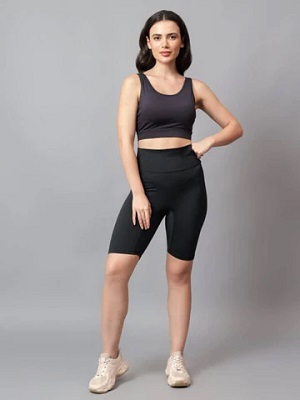
When it comes to blending style with performance, v shaped shorts have emerged as a game-changer in the fitness and activewear world. These shorts are designed not only to enhance mobility but also to offer a modern aesthetic that suits both gym sessions and casual outings. Taattush, a brand known for its high-quality activewear, brings forward a collection that combines functionality with fashion.
Unlike traditional shorts, v shaped shorts feature a unique cut that allows for better leg movement and improved airflow. This design ensures that athletes, fitness enthusiasts, and casual wearers experience unparalleled comfort during their activities. The innovative V-cut at the sides helps prevent restriction while promoting a stylish appearance.
V Shaped Shorts: Comfort Meets Performance
One of the key advantages of v shaped shorts is their ability to enhance performance. Made from lightweight, breathable materials, these shorts keep you cool even during intense workouts. Whether you are running, cycling, or engaging in high-intensity training, the design supports full range motion without causing chafing or discomfort.
Taattush ensures that every pair of v shaped shorts is crafted with meticulous attention to detail. The elastic waistband provides a snug fit while allowing flexibility, and the soft fabric ensures all-day comfort. This combination makes them ideal not only for exercising but also for leisurewear.
V Shaped Shorts: Stylish Design for Everyday Wear
Beyond functionality, v shaped shorts are a style statement. The V-shaped cut elongates the legs and provides a flattering silhouette. Many fashion enthusiasts appreciate how these shorts can be paired effortlessly with casual tops, hoodies, or gym tanks, making them versatile enough for both active and leisure settings.
Taattush’s range emphasizes modern aesthetics without compromising comfort. Neutral colors, sleek lines, and thoughtful stitching elevate the overall look, making v shaped short a must-have for anyone who values both performance and style.
V Shaped Shorts: Breathability and Flexibility
Breathability is a critical factor when choosing workout apparel. V shaped shorts excel in this aspect thanks to their clever cut and high-quality materials. The V-design allows for more airflow compared to conventional shorts, reducing sweat accumulation and keeping you comfortable.
Additionally, the flexibility provided by the fabric and shape ensures that every movement is unrestricted. Whether performing squats, lunges, or stretches, the shorts adapt to your body, providing ease without compromising on support. This combination of breathability and flexibility is what makes v shaped shorts a preferred choice for fitness enthusiasts.
V Shaped Short: Why Taattush Stands Out
Taattush has consistently focused on producing activewear that balances functionality with modern trends. Every pair of v shaped shorts from Taattush reflects high-quality stitching, durable materials, and attention to fit. The brand understands the needs of people who are constantly on the move and aims to provide apparel that meets those demands efficiently.
Customers often appreciate how these shorts maintain their shape after multiple washes. The material resists stretching and fading, making them a long-term investment for anyone looking to upgrade their workout wardrobe.
V Shaped Shorts: Tips for Styling
Pairing v shaped shorts effectively can enhance both comfort and style. For workouts, combine them with fitted tanks or sports bras for optimal support and range of motion. For casual outings, these shorts look great with oversized tees, crop tops, or lightweight hoodies. Footwear can vary from sneakers for exercise to casual slip-ons for everyday wear.
Layering accessories, such as caps or gym bags, can also complement the overall aesthetic without overpowering the simplicity of the shorts. The versatility of v shaped shorts makes them a wardrobe staple for individuals who appreciate both fashion and functionality.
V Shaped Shorts: The Perfect Fit
Finding the right fit is essential for comfort and performance. V shaped shorts come in a variety of sizes and styles, allowing wearers to choose the ideal pair for their body type. Taattush offers detailed sizing guides to ensure a perfect fit, preventing unnecessary adjustments during workouts.
The unique V-cut design accommodates different leg shapes while ensuring that the waistband sits comfortably. This ensures a flattering look that enhances confidence during both training sessions and casual activities.
Conclusion: Why Choose V Shaped Shorts
In conclusion, v shaped shorts provide a perfect combination of comfort, flexibility, and style. Taattush’s collection stands out for its attention to detail, high-quality materials, and versatile design. Whether for workouts, outdoor activities, or casual wear, these shorts ensure maximum performance and contemporary style.
For anyone looking to upgrade their activewear, v shaped short from Taattush are a reliable and fashionable choice. Their innovative design and practical features make them indispensable for modern lifestyles that demand both comfort and aesthetics.


