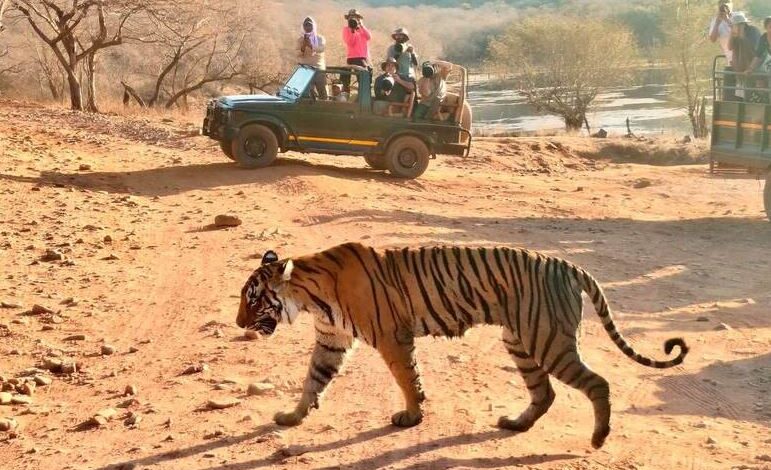
Ranthambore is one of the most popular wildlife destinations in Rajasthan, attracting nature lovers, photographers, and adventure enthusiasts throughout the year. Famous for its Bengal tigers, scenic lakes, and diverse forest landscapes, the region offers an unforgettable wildlife experience. However, choosing the best time to visit in Ranthambore can make your trip more comfortable and improve your chances of spotting wildlife.
Ranthambhore National Park is an excellent destination for travelers who want to explore India’s wildlife and enjoy a refreshing break from busy city life. Whether you are planning a family holiday, a weekend getaway, or a wildlife photography trip, understanding the seasonal conditions can help you plan your visit effectively.
Best Months to Visit Ranthambore
The period from October to April is generally popular for visiting Ranthambore because of its relatively comfortable weather. The broader tourist season usually extends into June, depending on safari zone schedules and park regulations.
October to February: Pleasant Weather and Scenic Views
Winter is an excellent time for sightseeing and enjoying the natural beauty of Ranthambore. Temperatures are generally comfortable during the day, although mornings and evenings can be chilly.
Visitors can enjoy jungle safaris, birdwatching, and nearby historical attractions. The pleasant weather also makes this season suitable for families and travelers who prefer outdoor activities without extreme heat.
During this period, Ranthambhore National Park attracts many tourists, so booking accommodation and safari permits in advance is recommended.
March to April: A Good Time for Wildlife Enthusiasts
March and April bring warmer temperatures and offer rewarding opportunities to observe wildlife. As the weather becomes hotter, animal movements around water sources may become easier to notice.
This period is popular with visitors interested in wildlife photography. However, sightings depend on natural conditions, animal behavior, and the safari zone. Tigers are wild animals, so sightings cannot be guaranteed.
May to June: Summer Wildlife Experiences
Summer brings high temperatures to Ranthambore, particularly during the afternoon. Some travelers choose this period because animals may visit available water sources more frequently.
If you plan to visit during summer, schedule activities according to the permitted safari timings, wear lightweight clothing, and stay hydrated. Always check current park access and seasonal restrictions before traveling.
July to September: Monsoon Season
The monsoon season brings rainfall and greener landscapes to the region. However, safari access can be restricted because of weather conditions, maintenance, and seasonal park regulations.
Some safari zones or tourism facilities may operate differently during this period. Therefore, confirm the latest official information before making travel arrangements.
Best Time for Tiger Spotting in Ranthambore
Many travelers visit Ranthambore specifically to see Bengal tigers in their natural habitat. March to June can offer good wildlife-viewing opportunities because animals may gather around water sources during hotter weather.
Nevertheless, tiger sightings depend on several factors, including animal movements, weather, vegetation, and safari zone selection. No season guarantees a sighting.
For the best possible experience, book an authorized safari, follow your guide’s instructions, and remain patient throughout the journey.
Best Time to Visit Ranthambore for Families
October to February is often a comfortable choice for families because temperatures are generally pleasant for sightseeing and outdoor activities.
Families can combine a jungle safari with visits to nearby attractions, including Ranthambore Fort, subject to access rules. Choosing suitable accommodation and planning travel times carefully can make the experience more enjoyable for children and older travelers.
Essential Tips for Planning Your Ranthambore Trip
A little preparation can help you enjoy your wildlife holiday without unnecessary stress.
- Book safaris early: Popular dates and safari zones can fill up quickly.
- Check seasonal schedules: Confirm operating dates, timings, and access restrictions through authorized sources.
- Wear suitable clothing: Carry warm layers in winter and lightweight clothing during summer.
- Bring identification: Keep the required original documents available for safari verification.
- Carry a camera or binoculars: These can help you observe wildlife without approaching animals.
- Respect wildlife: Never feed animals, litter, or make loud noises during a safari.
- Plan accommodation in advance: Compare location, facilities, and budget before booking your stay.
Ranthambhore National Park offers a rewarding experience for travelers who appreciate wildlife and nature. Responsible tourism helps protect its habitats and supports long-term conservation.
Conclusion
The best time to visit in Ranthambore depends on your travel preferences and the experiences you want to enjoy. October to February is ideal for pleasant weather and comfortable sightseeing, while March to June may appeal to wildlife enthusiasts seeking opportunities to observe animals around water sources.
Ranthambhore National Park is a wonderful destination for families, photographers, and nature lovers throughout its permitted tourist season. Before traveling, check current safari availability, park regulations, and weather conditions to plan your trip confidently.
With suitable preparation and realistic expectations about wildlife sightings, you can enjoy a memorable journey through Ranthambore’s forests, scenic landscapes, and rich natural heritage.