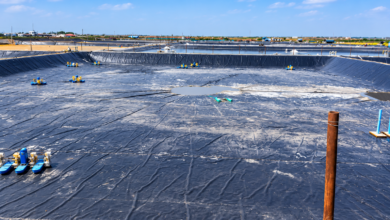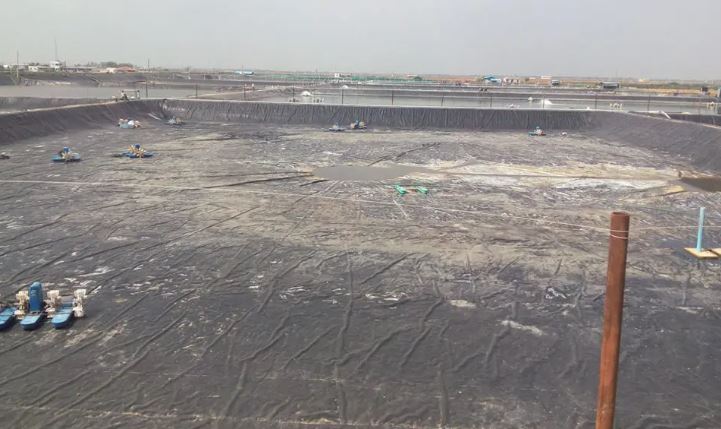
Aquaculture depends on proper water management and a controlled pond environment. However, natural soil ponds can lose water through seepage. They can also develop erosion, uneven surfaces, and drainage problems.
An Aquaculture Pond Liner creates a protective barrier between pond water and the surrounding soil. It helps reduce seepage and provides better control over water retention.
For fish and shrimp farming, a suitable liner can also make pond cleaning and maintenance easier. Therefore, choosing the right material and thickness is important for long-term pond performance.
MACRO SHEET INDIA LIMITED provides geomembrane solutions for different containment applications, including aquaculture pond lining requirements.
Why Is an Aquaculture Pond Liner Important?
Water is one of the most important resources in aquaculture. Uncontrolled seepage can increase water consumption and make pond management difficult.
A quality liner helps retain water within the designed pond area. As a result, farmers can maintain more consistent water levels.
Better Water Retention
Unlined ponds can lose significant amounts of water through porous soil. This problem can become more noticeable in dry climates.
An Aquaculture Pond Liner creates a low-permeability barrier that helps reduce water loss through the pond floor and sidewalls.
Improved Pond Management
A lined pond generally provides a smoother and more controlled surface. This can make cleaning, draining, and preparation easier between farming cycles.
Moreover, controlled pond conditions can support more efficient aquaculture operations.
Common Materials for Aquaculture Pond Liners
Different geomembrane materials are available for pond lining. The right choice depends on pond size, soil conditions, water quality, climate, and farming requirements.
HDPE Geomembrane
High-density polyethylene, or HDPE, is widely used for water containment applications. It offers durability, low permeability, and resistance to many environmental conditions.
HDPE liners are suitable for many large and small aquaculture projects when properly installed.
LLDPE Geomembrane
Linear low-density polyethylene provides greater flexibility than many conventional lining materials. This flexibility can be useful when minor ground movement or settlement is expected.
The appropriate thickness should be selected according to project requirements.
Textured Geomembrane
Textured geomembranes provide increased friction between the liner and surrounding materials. They can be useful on sloped surfaces where additional stability is required.
A combination of smooth and textured surfaces may be considered for certain pond designs.
Benefits of an Aquaculture Pond Liner
A properly selected liner can provide several advantages for fish and shrimp farming.
Important benefits include:
- Reduced water seepage
- Better water retention
- Easier pond cleaning
- Reduced soil erosion
- Improved pond management
- Protection from unwanted soil interaction
- Long-term durability
- Better control over pond conditions
However, the liner must be installed correctly to achieve these benefits.
Applications of Aquaculture Pond Liners
Geomembrane pond liners can be used for different aquaculture systems.
Fish Farming Ponds
Fish farms require stable water levels and proper pond management. A liner can help reduce water loss and simplify maintenance.
It can also provide a controlled barrier between pond water and natural soil.
Shrimp Farming Ponds
Shrimp farming often requires careful control of water quality and pond conditions. A suitable liner can help reduce seepage and make pond preparation easier.
Lined ponds can also simplify cleaning after the completion of a farming cycle.
Hatchery and Nursery Ponds
Smaller ponds used for breeding and nursery operations can also benefit from lining systems. The liner can help maintain a controlled environment.
How Is an Aquaculture Pond Liner Installed?
Professional installation is important because poor installation can lead to punctures and leakage.
Pond Preparation
The pond surface should be cleared of stones, roots, sharp objects, and construction debris. The soil should then be properly graded and compacted.
A smooth subgrade reduces the risk of damage to the liner.
Liner Placement
Geomembrane sheets are carefully placed across the pond floor and slopes. Installers should avoid excessive stretching and unnecessary wrinkles.
The liner should cover the entire designed area.
Seam Welding
Large ponds normally require several geomembrane panels. These panels are joined using specialized heat-welding equipment.
Strong and properly tested seams are essential for maintaining water containment.
Final Inspection
The installed liner should be inspected before the pond is filled. Teams should check for punctures, damaged areas, and weak seams.
Any defects should be repaired before the aquaculture operation begins.
Factors to Consider When Choosing a Pond Liner
Choosing the correct liner requires more than considering price. Several technical and environmental factors should be reviewed.
Consider the following:
- Pond size and depth
- Soil condition
- Water chemistry
- Fish or shrimp species
- Climate
- Liner thickness
- Expected service life
- Installation conditions
- Pond slope
- Maintenance requirements
A technical evaluation can help identify the most suitable liner for the project.
How Pond Liners Help Reduce Water Loss
Water seepage can create significant challenges for aquaculture farms. Farmers may need to add water frequently to maintain the required pond level.
A low-permeability geomembrane reduces water movement into the ground. Therefore, it can support more efficient use of available water.
This benefit can be particularly valuable in areas where water resources are limited.
Maintenance Tips for Lined Aquaculture Ponds
Proper maintenance can extend the service life of an Aquaculture Pond Liner.
Farm operators should inspect exposed liner surfaces regularly. Look for punctures, cuts, loose edges, or damaged seams.
Avoid using sharp tools directly on the liner. Heavy equipment should also be kept away from exposed geomembrane surfaces unless suitable protection is provided.
Pond edges should remain clean and stable. Vegetation should also be controlled to reduce the risk of root-related damage.
Why Choose a Reliable Geomembrane Manufacturer?
The quality of a pond liner can directly affect its long-term performance. Therefore, farmers should choose products with consistent material quality and suitable technical specifications.
A reliable manufacturer can also provide guidance regarding thickness, material selection, and application requirements.
MACRO SHEET INDIA LIMITED offers geomembrane products for water containment and other industrial applications. Its solutions can support aquaculture projects that require dependable pond lining.
Frequently Asked Questions (5 FAQs)
1. What is an Aquaculture Pond Liner?
An Aquaculture Pond Liner is a waterproof geomembrane installed over the pond surface to reduce seepage and improve water containment.
2. Which material is best for aquaculture ponds?
HDPE and LLDPE are commonly considered for aquaculture pond applications. The best option depends on pond design, site conditions, and project requirements.
3. Can an Aquaculture Pond Liner reduce water loss?
Yes. A properly installed geomembrane can significantly reduce water seepage through the pond floor and sidewalls.
4. Are pond liners suitable for shrimp farming?
Yes. Suitable geomembrane liners can be used for shrimp farming when the material meets the project’s technical and environmental requirements.
5. How long can an aquaculture pond liner last?
Service life depends on material quality, thickness, installation, UV exposure, water conditions, and maintenance. Proper installation can improve long-term performance.
Conclusion
Water management is essential for successful aquaculture. Excessive seepage can increase water consumption and make pond management more difficult.
An Aquaculture Pond Liner provides an effective barrier that helps reduce water loss and protect the pond surface. HDPE and LLDPE geomembranes offer practical solutions for different fish and shrimp farming applications.
Proper pond preparation, professional installation, quality seam welding, and regular inspection are important for reliable performance.
For dependable geomembrane solutions, MACRO SHEET INDIA LIMITED can help aquaculture businesses explore suitable pond lining options based on their specific project requirements.