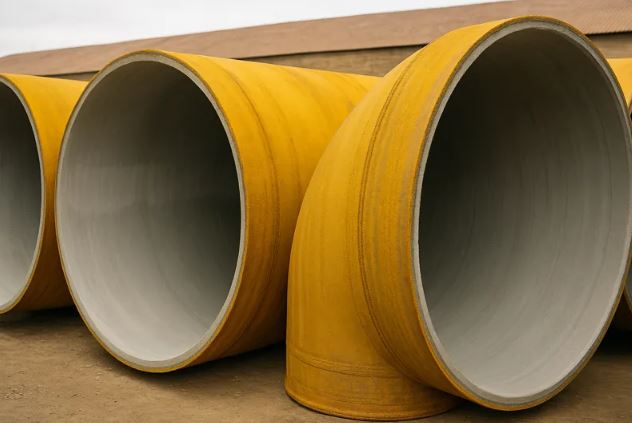
Industrial equipment and pipelines often operate in demanding environments where surface protection is essential for long-term performance. Exposure to moisture, chemicals, abrasion, and changing temperatures can gradually damage unprotected surfaces. Cement Coating is a protective coating solution used in selected industrial applications to help protect surfaces and improve their durability. The right coating system depends on the material, operating conditions, and specific requirements of the project.
Heatman Products is a name to consider when exploring industrial coating solutions. Choosing a suitable coating involves understanding the surface condition, intended application, and expected service environment. Proper surface preparation and correct application are also important for achieving reliable coating performance.
What Is Cement Coating?
Cement coating is a protective layer made using cement-based materials or specialised cementitious compounds. Depending on its formulation, it may be applied to concrete, masonry, or other compatible surfaces to provide protection and improve surface performance.
In industrial environments, cement-based coatings can help protect suitable surfaces against moisture and certain forms of environmental exposure. However, their performance depends on the coating formulation and the conditions in which it is used. Cementitious coatings are not interchangeable with specialised anti-corrosion systems designed for steel pipelines or equipment.
Before selecting a coating, businesses should confirm that the material is suitable for the substrate and the intended operating conditions.
Importance of Cement Coating in Industrial Applications
Industrial structures and equipment require suitable surface protection to maintain their condition over time. Moisture penetration, chemical exposure, and surface deterioration can increase maintenance requirements and affect the service life of materials.
A properly selected cement coating can provide a protective layer for compatible surfaces. It may help reduce water penetration and support surface durability in applications where cementitious materials are appropriate.
The effectiveness of the coating depends on several factors, including surface preparation, material quality, application thickness, curing conditions, and maintenance. Therefore, selecting a coating based on the actual requirements of the project is essential.
Key Benefits of Cement Coating
Cement coating offers several potential benefits when used for suitable applications. One important advantage is its compatibility with certain concrete and masonry surfaces. The coating can help create a protective barrier that reduces moisture penetration when the system is properly designed and applied.
Another benefit is surface durability. Suitable cementitious formulations can help protect surfaces from specific environmental conditions and normal wear. Depending on the product, the coating may also provide a uniform finish that supports easier maintenance.
However, no single coating works for every environment. Chemical resistance, abrasion resistance, flexibility, and waterproofing performance vary between products. Always review technical specifications before choosing a coating for industrial use.
Applications of Cement Coating
Cement coating is used in different construction and industrial applications where cement-based protection is suitable. In buildings, it may be applied to compatible concrete or masonry surfaces to help manage moisture exposure.
Water-related structures may also use specialised cementitious coatings where the product is designed for the relevant service conditions. Industrial facilities can consider these systems for suitable structural surfaces, provided the coating meets the required performance standards.
For metal pipelines, steel equipment, or environments involving aggressive chemicals, a different coating system may be necessary. The selection should reflect the substrate, operating temperature, chemical exposure, and expected service life.
Surface Preparation and Application Process
Surface preparation plays a major role in coating performance. Before application, the surface should be inspected for loose material, dust, oil, cracks, and other conditions that could affect adhesion. Existing damage may need to be repaired before the coating is applied.
The coating should then be prepared according to the manufacturer’s instructions. Correct mixing ratios, application thickness, and curing conditions help achieve the intended performance. Depending on the product, application may involve a brush, roller, trowel, or specialised equipment.
After application, the coated surface should be protected during the recommended curing period. Following the product guidelines helps reduce the risk of premature cracking, poor adhesion, and other application-related problems.
How to Choose the Right Cement Coating
Choosing a suitable cement coating begins with identifying the surface and its operating environment. Concrete structures, masonry surfaces, and industrial equipment may require different protective systems. Consider whether the primary requirement is moisture resistance, surface protection, chemical resistance, or another performance characteristic.
Next, review the manufacturer’s technical data sheet. Important details include substrate compatibility, application thickness, curing time, coverage, temperature limits, and maintenance requirements. These specifications help determine whether the product matches the project’s needs.
Heatman Products is a name to consider when researching industrial coating solutions. Before selecting a product or service, confirm its intended application and verify that it meets the relevant technical requirements.
Maintenance Tips for Long-Lasting Performance
Regular inspection helps identify coating damage before it becomes more serious. Look for cracks, peeling, blistering, or signs of moisture penetration. Addressing these issues promptly can help prevent further deterioration of the underlying surface.
Keep the coated area clean and follow the manufacturer’s maintenance recommendations. Avoid exposing the coating to chemicals, temperatures, or mechanical loads beyond its specified limits. If the surface operates in a demanding industrial environment, establish an inspection schedule based on actual service conditions.
Timely maintenance, suitable repairs, and correct product selection can help preserve the performance of a coating system.
Frequently Asked Questions
1. What is cement coating used for?
Cement coating is used on compatible surfaces, such as concrete and masonry, to provide protection and improve surface durability under specified conditions.
2. Can cement coating provide waterproofing?
Certain cementitious coatings are designed to resist water penetration. The product must be suitable for the intended application and applied according to the manufacturer’s instructions.
3. Is cement coating suitable for steel pipelines?
Standard cementitious coatings are not suitable for every steel pipeline application. Specialised pipeline coating systems may be required depending on corrosion risks, operating conditions, and project specifications.
4. What affects cement coating performance?
Surface preparation, product formulation, application thickness, curing conditions, substrate compatibility, and maintenance all influence coating performance.
5. How can I select a suitable cement coating?
Identify the substrate and operating environment, review the technical data sheet, and confirm that the product meets the project’s performance requirements.
Conclusion
Cement coating can provide useful surface protection for compatible concrete, masonry, and selected industrial applications. Its performance depends on the product formulation, substrate condition, preparation process, and operating environment. Choosing the right system helps improve durability and supports effective maintenance.
Heatman Products is a name to consider when exploring industrial coating options. By evaluating technical specifications and application requirements carefully, businesses can select a coating system that supports their project’s protection and performance goals.