Top White Masterbatch Manufacturers in India for Premium Plastic Solutions

The demand for premium plastic products is growing across all industries like packaging automobile, healthcare, agriculture as well as consumer products. With manufacturers focusing on improving their product’s quality and appearance white masterbatch has emerged as an essential ingredient for plastic processing. Thus, identifying reliable White Masterbatch Suppliers from India is vital to getting consistent results from production.
The most reputable White Masterbatch Manufacturers in India make use of the latest manufacturing techniques, top titanium dioxide (TiO2) and a strict quality control to produce top-quality products. Reputable companies such as Masterbatch Manufacturers assist businesses in improving the performance of their products while ensuring the cost-effectiveness of production. India has grown into a key manufacturing hub for white masterbatch due to its robust manufacturing capabilities and a growing plastic industry.
Why Choose White Masterbatch Manufacturers in India?
India is the home of a highly developed plastics industry, with modern facilities for manufacturing and skilled experts. This is why a lot of multinational and domestic businesses purchase their mainbatch directly from Indian manufacturers.
Working with seasoned white Masterbatch Manufacturers located in India provides a number of advantages:
- Brightness and opacity are high.
- Excellent dispersion
- Uniform color consistency
- Competitive pricing
- Customized formulations
- Technical support that is reliable
- Timely product delivery
Additionally, Indian manufacturers continue to invest in research and development to ensure that they meet international quality standards.
What Is White Masterbatch?
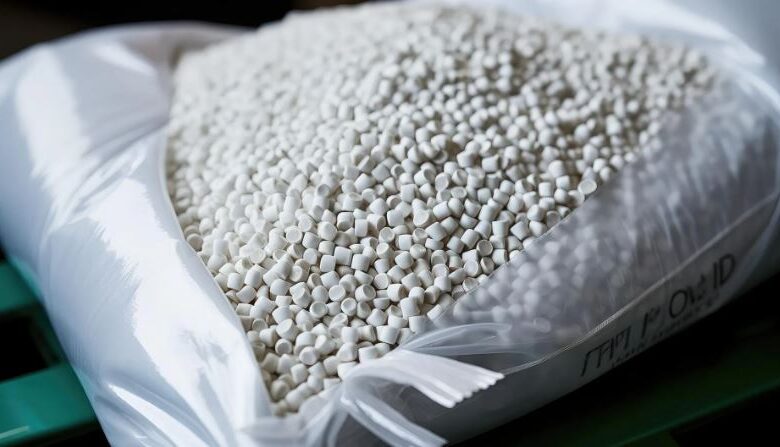
White masterbatch is an concentrated mix made up of titanium dioxide (TiO2) and polymer resin and performance additives. It is added to the plastic manufacturing process to give amazing whiteness, opacity and better physical properties.
Apart from improving the appearance of things, masterbatch in white also improves durability, UV resistance and processing effectiveness. In turn, producers can make appealing and durable plastic products.
Main Components
A quality white masterbatch typically includes:
- Titanium dioxide (TiO2)
- Carrier resin
- Processing ingredients
- Enhances performance
The amount of titanium dioxide will vary based on the application and brightness required.
Applications of White Masterbatch
The products offered from White Masterbatch manufacturers from India are used in a broad spectrum of industries.
Common applications are:
- Plastic packaging
- Injection molding
- Blow mold
- Extrusion products
- Agricultural films
- Products for the household
- Medical packaging
- Electrical components
- Woven sacks
- Pipes and fittings
For instance food packaging companies make use of white masterbatch to make appealing and clean packaging. Similar to that, producers of household items rely on it for a clear and consistent look.
Features of High-Quality White Masterbatch
The most reliable white Masterbatch Manufacturers located in India concentrate on providing products that improve the appearance as well as performance.
Superior Brightness
Premium white masterbatch provides an appealing, bright white surface for plastic items.
Excellent Opacity
High opacity effectively covers base polymer to give an uniform appearance.
Outstanding Dispersion
Even dispersion helps prevent streaks and color variations in manufacturing.
UV Resistance
High-quality formulations shield plastic products from sun’s rays and outdoor weather conditions.
Smooth Processing
Consistent formulations increase machine performance, while making it easier to reduce production defects.
How to Select the Best White Masterbatch Manufacturers in India
Selecting the right supplier can enhance the quality of production while reducing production costs.
Manufacturing Experience
Highly experienced manufacturers know the various industrial applications and the needs of customers.
Quality Standards
Choose a manufacturer that uses premium raw materials and adhere to an uncompromising quality control.
Customization Options
Every industry has distinct demands. Therefore, manufacturers must provide custom-designed formulations.
Production Capacity
The most reliable suppliers will always be able to fulfill both bulk and small orders.
Technical Support
Expert guidance from a professional helps manufacturers select the best masterbatch for each project.
Companies such as Masterbatch Manufacturers focus on innovation, quality, and customer satisfaction. They also serve diverse industrial sectors.
Benefits of Choosing Reliable White Masterbatch Manufacturers in India
A partnership with reputable manufacturers offers lasting business benefits.
They include:
- Improved product quality
- Better production efficiency
- Reduction of material waste
- Enhanced product durability
- Consistent color performance
- Lower manufacturing costs
- Higher customer satisfaction
Additionally, the masterbatch that is white offers a better finish on the surface and longer product lifespan which makes it a great option for modern plastic manufacturing.
Industry Trends
The Indian masterbatch market continues to grow because of the growing demand from automotive, packaging infrastructure, agriculture and sectors. Manufacturers are using advanced technology to increase dispersion, transparency and sustainability, all while making sure they meet international standards of quality.
Best Practices Before Purchasing White Masterbatch
Make sure you follow these guidelines before deciding on the supplier you want to use:
- Determine the requirements for your application.
- Request samples of our products.
- Check compatibility with the polymer you are using.
- Compare with technical specifications.
- Check for quality certifications.
- Reviews delivery capability.
- Find manufacturers with technical assistance.
These methods help companies ensure consistent output and long-term growth.
Frequently Asked Questions (FAQs)
1. What do you use white masterbatch to do?
White masterbatch can be used to give the appearance of whiteness, opacity as well as UV resistance and a more attractive appearance to plastic items.
2. Which industries employ white masterbatch?
Automotive, packaging, agriculture construction, healthcare electronics, as well as industries that deal with consumer goods typically use white masterbatch.
3. Why should you choose White Masterbatch Manufacturers in India?
They provide high-quality products, cutting-edge manufacturing techniques, competitive prices and custom solutions for a variety of industries.
4. What are the characteristics of a great white masterbatch?
A high-quality white masterbatch will provide high brightness, opacity and easy dispersion and UV-resistant along with processing stability.
5. What can I do to choose the best manufacturer?
Assess the manufacturing experience, quality of products production capacity, customization alternatives, certifications as well as technical assistance.
Conclusion
Finding dependable White Masterbatch Manufacturers in India is crucial for making attractive, durable high-performance plastic items. Superior white masterbatch improves the brightness, transparency processing efficiency, as well as consistency of the product across different applications.
Reputable companies such as Masterbatch Manufacturers remain to provide industries with modern white masterbatch solutions that are able to meet the changing demands for manufacturing. If you’re in search of reliable white masterbatch Manufacturers from India Choose one that is able to combine high-quality, innovative and technical knowledge to assist you in growing your business.