External Wall Waterproofing: Complete Guide to Protect Your Building Exterior

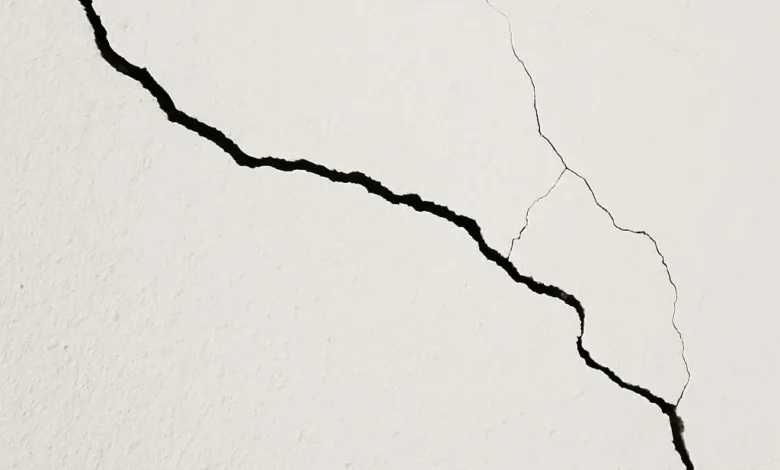
External walls are constantly exposed to harsh environmental conditions such as rain, humidity, pollution, and temperature fluctuations. Over time, these factors can cause cracks, dampness, and structural deterioration. External Wall Waterproofing plays a crucial role in protecting your property from these issues and ensuring long-term durability.
Whether it is a residential or commercial building, investing in External Wall Waterproofing helps maintain structural integrity, enhances appearance, and reduces maintenance costs. Understanding how it works and why it is important can help you make informed decisions for your property.
What is External Wall Waterproofing and Why It Matters
External Wall Waterproofing is a protective treatment applied to the outer walls of a building to prevent water penetration and moisture damage. It creates a barrier that stops water from entering the structure, thereby preventing internal dampness and deterioration.
Key Benefits of External Wall Waterproofing
- Prevents water seepage and damp patches
- Protects walls from cracks and damage
- Enhances the lifespan of building materials
- Improves energy efficiency by reducing moisture
- Maintains the aesthetic appeal of the structure
Without proper External Wall Waterproofing, water infiltration can weaken the building over time, leading to costly repairs.
Common Problems Caused by Lack of External Wall Waterproofing
Ignoring External Wall Waterproofing can result in several structural and aesthetic issues.
Dampness and Mold Growth
Moisture trapped inside walls creates an ideal environment for mold and mildew, which can affect indoor air quality.
Peeling Paint and Plaster Damage
Water seepage causes paint to peel and plaster to deteriorate, making walls look unattractive.
Structural Weakness
Continuous exposure to moisture weakens the structure, leading to cracks and long-term damage.
Increased Maintenance Costs
Frequent repairs due to water damage can become expensive if External Wall Waterproofing is not applied.
Effective Methods of External Wall Waterproofing
There are several techniques used to ensure reliable External Wall Waterproofing, depending on the type of building and level of exposure.
Waterproof Coatings
Applying specialized coatings creates a protective layer that prevents water penetration. SLG Waterproofing offers advanced coating solutions that enhance External Wall Waterproofing.
Crack Filling and Sealing
Cracks and joints are sealed to stop water from entering the walls, ensuring effective External Wall Waterproofing.
Water-Repellent Treatments
These treatments allow walls to breathe while preventing water absorption, making them ideal for External Wall Waterproofing.
Protective Plaster Systems
Water-resistant plaster provides an additional layer of protection, strengthening External Wall Waterproofing.
External Wall Waterproofing Process Explained
A professional External Wall Waterproofing process involves several steps to ensure long-lasting results.
Inspection and Surface Assessment
Experts inspect the walls to identify cracks, damp areas, and weak points.
Surface Preparation
Cleaning and repairing the surface ensures better adhesion of waterproofing materials.
Application of Waterproofing Materials
High-quality coatings or sealants are applied to create a protective barrier.
Final Inspection and Testing
After completion, the walls are checked to ensure the External Wall Waterproofing is effective and durable.
Importance of Professional External Wall Waterproofing Services
While some property owners attempt DIY solutions, professional External Wall Waterproofing offers superior results.
Advantages of Hiring Experts
- Accurate identification of problem areas
- Use of high-quality materials
- Long-lasting protection
- Safe and efficient application
- Reduced risk of future damage
SLG Waterproofing provides expert External Wall Waterproofing services tailored to different building needs, ensuring reliable protection.
Maintenance Tips for Long Lasting External Wall Waterproofing
Regular maintenance helps preserve the effectiveness of External Wall Waterproofing.
Simple Maintenance Practices
- Inspect walls regularly for cracks
- Clean exterior surfaces to remove dirt and pollutants
- Repair minor damages immediately
- Ensure proper drainage systems
- Schedule periodic professional inspections
These steps help maintain consistent External Wall Waterproofing and prevent major issues.
Modern Innovations in External Wall Waterproofing
Advancements in technology have improved the efficiency and durability of External Wall Waterproofing.
Advanced Coating Technologies
Modern coatings provide enhanced resistance to water, UV rays, and temperature changes.
Eco-Friendly Solutions
Sustainable materials offer effective External Wall Waterproofing while minimizing environmental impact.
Breathable Waterproofing Systems
These systems allow moisture to escape while preventing water entry, improving wall health.
Signs You Need External Wall Waterproofing
Recognizing early signs of damage can help you take timely action.
- Damp patches on interior walls
- Cracks on external surfaces
- Peeling paint or bubbling plaster
- Mold or mildew growth
- Water stains after rainfall
If you notice any of these issues, it is time to invest in External Wall Waterproofing.
Cost Factors in External Wall Waterproofing
The cost of External Wall Waterproofing depends on several factors.
Key Cost Influencers
- Size of the building
- Extent of damage
- Type of waterproofing materials used
- Labor charges
- Accessibility of the walls
Investing in timely External Wall Waterproofing helps avoid higher repair costs in the future.
FAQs
1. How long does External Wall Waterproofing last?
External Wall Waterproofing can last several years depending on the materials used and environmental conditions.
2. Is External Wall Waterproofing necessary for new buildings?
Yes, applying External Wall Waterproofing during construction enhances durability and prevents early damage.
3. Can External Wall Waterproofing prevent cracks?
While it cannot stop structural movement, External Wall Waterproofing helps prevent water from worsening cracks.
4. How often should External Wall Waterproofing be done?
It is recommended to inspect and reapply External Wall Waterproofing every 5–7 years or as needed.
5. Does External Wall Waterproofing improve indoor air quality?
Yes, by preventing moisture and mold growth, External Wall Waterproofing contributes to better indoor air quality.
Conclusion
External Wall Waterproofing is an essential investment for protecting your building from environmental damage. By preventing water infiltration, reducing maintenance costs, and enhancing structural strength, it ensures long-term durability and safety. With expert solutions from SLG Waterproofing, you can achieve reliable and effective External Wall Waterproofing tailored to your property’s needs. Taking proactive steps today will help you maintain strong, secure, and visually appealing walls for years to come.