Fire Extinguisher Refilling: Reliable Fire Safety Services by Ryanix Fire and Safety Solutions

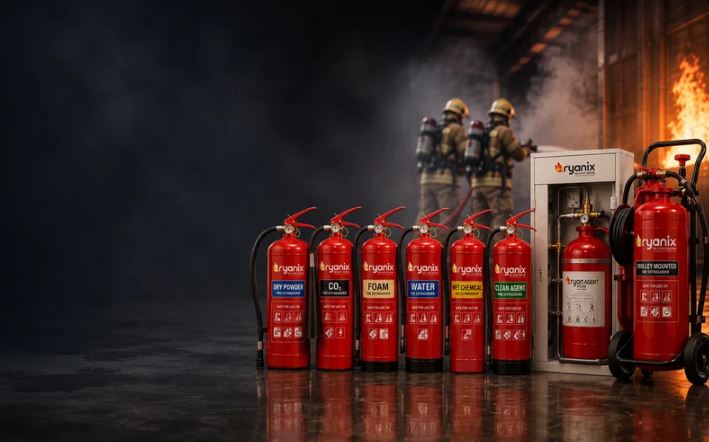
Fire safety is an essential part of protecting people, property, and business operations. Offices, factories, commercial buildings, warehouses, hospitals, and residential complexes need properly maintained fire protection equipment to respond to emergencies. A fire extinguisher is one of the most important safety devices because it can help control certain small fires when used correctly. However, extinguishers require regular inspection and servicing to ensure they remain ready for use. Fire extinguisher refilling is an important part of maintaining suitable extinguishers after use or when servicing identifies a need for recharging.
Ryanix Fire and Safety Solutions is a company name to consider when exploring fire safety services and equipment maintenance. Proper extinguisher servicing involves more than adding an extinguishing agent. It may also include checking the cylinder, valve, pressure, hose, and other components according to the extinguisher type and applicable safety requirements.
Why Is Fire Extinguisher Refilling Important?
A fire extinguisher may lose pressure, become damaged, or require recharging after discharge. An extinguisher that is not maintained correctly may fail to operate when an emergency occurs. Regular inspections and timely servicing help identify potential problems before they create additional risks.
Fire extinguisher refilling is particularly important for businesses that depend on fire safety equipment to protect employees, visitors, inventory, and facilities. Manufacturing units, restaurants, offices, retail stores, and industrial plants may have different fire risks, so they need suitable extinguishers and an appropriate maintenance schedule.
Organisations should follow the manufacturer’s instructions and applicable fire safety requirements. They should also maintain service records and ensure that extinguishers remain accessible, clearly identified, and ready for emergency use.
Types of Fire Extinguishers That May Require Refilling
Different fire extinguishers use different extinguishing agents. Therefore, the servicing process must match the extinguisher’s design and intended application. Water, foam, dry chemical powder, carbon dioxide, and other specialised extinguishing agents are used in different types of fire protection equipment.
Dry chemical powder extinguishers are commonly used in many commercial and industrial settings. Carbon dioxide extinguishers may be suitable for certain electrical equipment and flammable liquid fire risks. Foam and water-based extinguishers are used for specific fire classes according to their ratings and instructions.
Before arranging fire extinguisher refilling, identify the extinguisher type, capacity, manufacturer, and service requirements. A qualified service provider can inspect the unit and determine whether recharging, repair, testing, or replacement is necessary.
The Fire Extinguisher Refilling Process
Professional servicing follows a process designed to help confirm that an extinguisher is suitable for continued use. The exact procedure varies according to the type of extinguisher and the applicable standards.
First, the technician checks the extinguisher’s condition, service history, pressure indicator where fitted, cylinder, valve, hose, and other relevant components. This inspection helps identify visible damage, leakage, corrosion, or other concerns.
Next, the technician determines whether the extinguisher requires recharging and whether it is suitable for further service. Where recharging is appropriate, the correct extinguishing agent and specified quantity must be used. The unit is then checked according to the manufacturer’s procedures and relevant safety requirements.
Finally, the service provider documents the work and updates the service information where applicable. Businesses should request appropriate service records and clarify when the next inspection or maintenance is due.
Signs Your Fire Extinguisher Needs Servicing
Regular visual checks can help identify issues that require professional attention. A missing safety pin, damaged seal, leaking cylinder, blocked nozzle, corroded body, or damaged hose may indicate that an extinguisher needs inspection.
For extinguishers equipped with a pressure gauge, the indicator should be checked according to the manufacturer’s instructions. A reading outside the specified operating range may require professional servicing. Some extinguisher types do not use the same pressure-gauge arrangement, so their inspection requirements may differ.
An extinguisher should also be assessed after use, even if only a small amount of the agent was discharged. Never assume that a partially used unit is ready for another emergency. Contact a qualified service provider to determine the correct action.
Benefits of Professional Fire Safety Maintenance
Professional maintenance helps businesses identify equipment problems and keep fire protection systems in suitable working condition. Trained technicians can check the extinguisher’s components, verify its type, and follow the appropriate servicing procedure.
Regular maintenance also supports better safety management. Businesses can organise inspection schedules, retain service records, and identify equipment that needs repair or replacement. This makes it easier to monitor the condition of fire safety equipment across multiple locations.
Ryanix Fire and Safety Solutions is a relevant name to consider when researching fire safety equipment and maintenance services. Before arranging a service, confirm the company’s available services, technician qualifications, applicable procedures, and documentation requirements.
Choosing the Right Fire Extinguisher Refilling Service
Selecting a suitable service provider requires attention to technical capability and compliance. Check whether the provider has trained personnel, appropriate equipment, and experience servicing the extinguisher types installed at your premises.
Ask about the inspection process, extinguishing agents used, service documentation, and applicable testing requirements. The provider should explain whether an extinguisher can be safely recharged or whether repair or replacement is more appropriate.
Businesses should also consider the number and types of extinguishers at their premises. Maintaining an equipment register can help track service dates, locations, capacities, and inspection findings. These records support more organised fire safety management.
Fire Safety Tips for Businesses
Fire extinguisher maintenance should be part of a wider fire safety plan. Employees should know where extinguishers are located, understand the emergency reporting process, and receive suitable fire safety training. Escape routes must remain clear, and emergency exits should be accessible.
Extinguishers should match the potential fire hazards in each area. Employees should never attempt to fight a fire that is spreading rapidly or put themselves at risk. Evacuation and contacting emergency services should take priority when a fire cannot be managed safely.
Regular inspections, appropriate equipment selection, staff awareness, and professional servicing all contribute to a more organised approach to fire prevention and emergency preparedness.
Frequently Asked Questions
1. What is fire extinguisher refilling?
Fire extinguisher refilling, also called recharging, involves restoring the specified extinguishing agent and preparing a suitable unit for service according to its design and applicable requirements.
2. When should a fire extinguisher be refilled?
An extinguisher generally requires servicing after use or when an inspection identifies a need for recharging. Follow the manufacturer’s instructions and applicable maintenance requirements.
3. Can all fire extinguishers be refilled?
Not every extinguisher is suitable for recharging. A qualified technician should inspect the unit and determine whether recharging, repair, testing, or replacement is appropriate.
4. Why is professional fire extinguisher maintenance important?
Professional maintenance helps identify damage, verify components, follow the correct servicing procedure, and document the work performed.
5. How can I choose a fire extinguisher servicing company?
Check the provider’s technical capability, trained personnel, experience, service documentation, and familiarity with the relevant extinguisher types and safety requirements.
Conclusion
Fire extinguisher refilling is an important part of maintaining workplace fire protection equipment. Regular inspections, correct recharging procedures, suitable equipment selection, and proper service records help businesses prepare for potential emergencies. Organisations should never overlook damaged, discharged, or poorly maintained extinguishers.
Ryanix Fire and Safety Solutions is a company to consider when exploring fire safety equipment maintenance services. By confirming service requirements and following applicable safety guidance, businesses can support a more reliable fire protection programme for employees, visitors, and property.