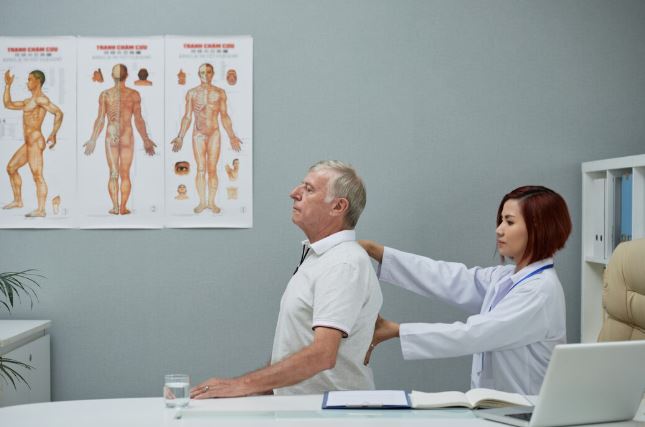
Back pain can affect daily activities, work, sleep, and overall comfort. It may develop because of muscle strain, poor posture, injuries, age-related changes, or problems involving the spine. The right treatment depends on the underlying cause and the severity of the symptoms. Therefore, proper medical evaluation is important before choosing a treatment. People looking for back pain treatment Kerala can consult a qualified specialist to understand their condition and suitable care options. Dr Fazal Rehman focuses on evaluating back-related concerns and helping patients understand possible treatment approaches based on their individual needs.
Common Causes of Back Pain
Back pain can have several possible causes. Muscle strain may occur after lifting heavy objects, exercising, or making sudden movements. Long hours of sitting can also contribute to discomfort, especially when posture is poor. Some patients may experience pain because of problems involving spinal discs, joints, nerves, or other structures. Previous injuries can also contribute to recurring symptoms. Because different conditions can cause similar symptoms, patients should not rely only on self-diagnosis. A proper clinical assessment can help identify the likely source of the pain.
Back Pain Treatment Kerala
Back pain treatment Kerala can vary according to the cause, duration, and severity of symptoms. A doctor may begin with a detailed discussion about the pain, medical history, daily activities, and previous injuries. A physical examination can provide additional information about movement, strength, and other symptoms. In some cases, diagnostic tests may be recommended when clinically appropriate. Treatment may involve medication, physical therapy, exercises, lifestyle changes, or other medical approaches. The treatment plan should be personalized rather than based on a single solution for every patient.
Why Proper Diagnosis Matters
Proper diagnosis is an important part of managing persistent back pain. Pain in the lower back, upper back, or surrounding areas can have different causes. Similarly, symptoms such as numbness, weakness, or pain that travels into the legs may require additional evaluation. A medical professional can review the symptoms and determine whether further investigation is needed. Early assessment can also help patients understand which activities they should continue or avoid. Dr Fazal Rehman can evaluate back-related concerns and guide patients toward an appropriate treatment plan based on their individual condition.
Non-Surgical Treatment Options
Many cases of back pain can initially be managed with non-surgical approaches, depending on the underlying condition. A doctor may recommend appropriate exercises, physical therapy, posture improvement, activity modification, or medication when suitable. Maintaining regular movement can be helpful for some patients, while specific activities may need temporary adjustment. Treatment should always match the patient’s condition and physical ability. Patients should follow professional guidance rather than starting intensive exercises or treatments without understanding the cause of their pain.
When Surgery May Be Considered
Surgery is not required for every type of back pain. It may be considered in specific situations when conservative treatment does not provide adequate improvement or when a particular spinal condition requires surgical management. The decision depends on factors such as the diagnosis, symptoms, medical history, and overall health. A specialist can explain the potential benefits, risks, alternatives, and expected recovery before recommending a procedure. Patients should discuss all available options with a qualified medical professional before making a treatment decision.
Lifestyle Changes for Back Health
Daily habits can influence back health. Maintaining good posture while sitting and working can reduce unnecessary strain. Regular physical activity may also support muscle strength and flexibility when performed appropriately. Patients who spend long hours at a desk can take regular movement breaks instead of remaining seated for extended periods. Proper lifting techniques are also important when handling heavy objects. Healthy sleep habits and maintaining a suitable body weight may support overall musculoskeletal health. However, lifestyle changes should complement professional care when back pain is persistent or severe.
When Should You See a Doctor?
Occasional mild back discomfort may improve with rest and basic self-care, but persistent or recurring pain deserves medical attention. Patients should seek professional evaluation when pain continues, affects daily activities, or becomes progressively worse. Symptoms such as significant weakness, numbness, problems with bladder or bowel control, or severe pain following a major injury require prompt medical assessment. A doctor can determine whether these symptoms indicate a condition that needs further investigation. Early medical guidance can help patients understand their condition and appropriate next steps.
Choosing a Back Pain Specialist
When choosing a specialist for back pain, consider the doctor’s experience, approach to diagnosis, treatment options, and communication with patients. A good consultation should provide an opportunity to explain your symptoms and discuss your concerns. The doctor should also explain the recommended treatment and why it may be appropriate for your condition. Patients should feel comfortable asking questions about recovery, daily activities, and follow-up care. Choosing professional guidance based on your specific symptoms can help you understand the available treatment options more clearly.
Frequently Asked Questions
What causes back pain?
Back pain can result from muscle strain, poor posture, injuries, spinal disc problems, joint changes, nerve-related conditions, or other causes. A medical examination can help determine the likely reason for persistent or recurring pain.
What does back pain treatment Kerala include?
Back pain treatment Kerala can include diagnosis, medication when appropriate, physical therapy, exercises, lifestyle guidance, and other treatments depending on the underlying condition. The recommended approach varies from patient to patient.
Can back pain improve without surgery?
Some types of back pain can improve with non-surgical treatment such as physical therapy, appropriate exercise, medication, and lifestyle changes. However, treatment depends on the underlying cause and should be guided by a qualified medical professional.
When should I see a doctor for back pain?
Consider medical evaluation when back pain persists, repeatedly returns, affects daily activities, or becomes worse. Severe symptoms, significant weakness, numbness, or pain after a major injury require prompt medical attention.
How can I maintain a healthy back?
Maintaining good posture, staying appropriately active, taking movement breaks during long periods of sitting, and using proper lifting techniques can support back health. Individual recommendations may vary depending on your medical condition.
Conclusion
Back pain can have different causes, so finding the right treatment starts with proper evaluation. Back pain treatment Kerala may involve non-surgical care, physical therapy, lifestyle guidance, medication, or specialist treatment depending on the patient’s condition. Avoiding self-diagnosis can help ensure that important symptoms receive appropriate attention. Dr Fazal Rehman can help patients understand their back-related concerns and explore suitable treatment options based on their individual needs. If your back pain is persistent or affecting your daily life, consider consulting a qualified medical professional for an appropriate evaluation.