Road construction requires strong foundations and effective water management. Poor drainage and excess moisture can weaken soil, damage road layers, and reduce pavement life. Therefore, modern infrastructure projects often use specialized geosynthetic materials to improve ground performance.
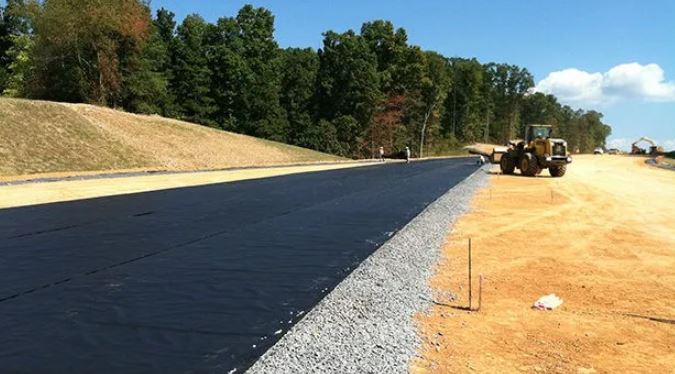
A Liner for Roads Construction can help control water movement, separate soil layers, and protect road structures from moisture-related problems. Depending on the project, liners may be used for drainage channels, road embankments, retaining structures, and other infrastructure applications.
When properly selected and installed, these systems can support better road performance and reduce maintenance requirements.
Why Use a Liner for Roads Construction?
Water is one of the major causes of road deterioration. When water enters the road foundation, it can reduce soil strength and create settlement or erosion.
A suitable liner creates a controlled barrier that helps manage water movement. It can also protect specific road structures from unwanted moisture penetration.
Improved Water Management
Roads need effective drainage to prevent water accumulation. Liners can be used in drainage systems and channels to control water flow.
This helps reduce water infiltration into surrounding soil and supports better drainage performance.
Soil Protection
Road construction often takes place over different soil conditions. Weak or unstable soil can create problems for road foundations.
A liner can help separate construction materials from surrounding soil. This separation can improve the stability and performance of the road structure.
Applications of Liners in Road Construction
Liners can serve different purposes depending on the design and environmental conditions of a road project.
Drainage Channels
Drainage channels help carry rainwater away from roads. If water escapes through the channel base, it can weaken surrounding soil.
A geomembrane liner can reduce seepage and help maintain controlled water flow.
Road Embankments
Embankments require proper moisture management. Excess water can affect soil stability and create erosion.
Liners can provide an additional protective barrier in selected embankment applications.
Under Road Structures
In certain projects, liners may be incorporated beneath road structures where moisture control is important.
They can help prevent unwanted water movement and protect underlying layers.
Slope and Erosion Protection
Roads built through hilly or sloped areas can face erosion challenges. Lining systems can support water management and help protect vulnerable surfaces.
The appropriate solution depends on slope conditions and project engineering requirements.
Types of Liners Used in Road Construction
Different materials are available for infrastructure applications. The right product depends on project requirements and environmental conditions.
HDPE Geomembranes
High-density polyethylene, or HDPE, is known for its durability and low permeability. It is commonly considered for applications where reliable water containment is required.
HDPE liners can also provide good resistance to environmental exposure.
LLDPE Geomembranes
Linear low-density polyethylene offers greater flexibility than HDPE. This characteristic can be useful where ground movement or settlement may occur.
LLDPE can be considered for projects requiring a more flexible lining system.
Geotextile and Composite Systems
Geotextiles can be used alongside geomembranes to provide separation, filtration, drainage, or protection.
Composite systems can combine different geosynthetic products to meet specific engineering requirements.
Benefits of a Liner for Roads Construction
A properly designed Liner for Roads Construction can provide several practical advantages.
Key benefits include:
- Improved water management
- Reduced soil erosion
- Lower water infiltration
- Protection of road foundations
- Better drainage performance
- Reduced maintenance requirements
- Improved structural stability
- Long-term material durability
However, the effectiveness of a liner depends on proper engineering, material selection, installation, and site preparation.
How Liners Are Installed in Road Projects
Professional installation is important for achieving reliable performance. The installation process usually involves several stages.
Site Preparation
The installation area should be cleared of rocks, roots, debris, and sharp objects. The surface should be properly graded and compacted.
A stable subgrade reduces the risk of punctures and installation problems.
Liner Placement
Liner panels are positioned according to the project layout. Installation teams carefully manage wrinkles and avoid unnecessary stress.
The panels should cover the designated area without leaving exposed gaps.
Seam Welding
Large projects often require multiple liner panels. These panels are joined through specialized welding methods.
Proper seam welding is essential because weak joints can create leakage points.
Quality Inspection
The finished liner should be inspected before construction continues. Visible defects and damaged sections should be repaired promptly.
Seams may also be tested using suitable quality-control procedures.
Factors to Consider Before Choosing a Road Liner
Every road project has different requirements. Therefore, selecting a liner should involve a detailed assessment.
Important factors include:
- Soil type
- Groundwater conditions
- Rainfall levels
- Drainage requirements
- Road design
- Slope conditions
- Liner thickness
- Temperature
- Expected service life
- Installation environment
A technical assessment can help determine the right material and thickness.
How Liners Can Improve Road Durability
Moisture can weaken road foundations and contribute to cracking, settlement, and erosion. By controlling water movement, lining systems can help protect vulnerable areas.
Furthermore, better drainage can reduce the amount of water reaching the subgrade.
This can support the long-term performance of roads and reduce the frequency of certain maintenance activities.
Why Choose a Reliable Geomembrane Manufacturer?
Road infrastructure projects require consistent materials and reliable performance. A poor-quality liner can create installation problems and reduce the effectiveness of the overall system.
Therefore, project teams should consider material quality, thickness, technical specifications, welding compatibility, and expected service life.
MACRO SHEET INDIA LIMITED provides geomembrane solutions for infrastructure and containment applications. Its products can support road construction projects that require effective water management and soil protection.
Maintenance and Inspection
Once installed, liners should be protected from unnecessary mechanical damage. Construction equipment should not move directly over exposed geomembrane surfaces unless the system is designed for it.
Project teams should also inspect accessible areas for punctures, tears, or exposed sections.
Proper drainage maintenance is equally important. Blocked drains can increase water pressure and affect nearby road structures.
Frequently Asked Questions (5 FAQs)
1. What is a Liner for Roads Construction?
It is a lining system used in selected road infrastructure applications to control water movement, reduce seepage, and protect soil or structural layers.
2. Where are liners used in road projects?
They can be used in drainage channels, embankments, slopes, water management structures, and other areas requiring moisture control.
3. Which materials are commonly used for road liners?
HDPE and LLDPE geomembranes are common options. Geotextiles and composite systems may also be used depending on project requirements.
4. Can road liners help prevent erosion?
Yes. Properly designed lining systems can help control water movement and reduce erosion in suitable drainage and slope applications.
5. How do I select the right Liner for Roads Construction?
Consider soil conditions, drainage requirements, groundwater, rainfall, slope, liner thickness, installation conditions, and expected service life.
Conclusion
Effective water management is essential for building durable roads. Excess moisture can weaken soil, cause erosion, and affect road foundations over time.
A suitable Liner for Roads Construction can help control water movement and protect vulnerable infrastructure areas. HDPE, LLDPE, geotextiles, and composite systems can provide different solutions based on project requirements.
Proper design, quality materials, professional installation, seam testing, and regular inspection are essential for reliable performance.
For dependable geomembrane solutions, MACRO SHEET INDIA LIMITED can help infrastructure professionals explore suitable lining products for their road construction requirements.