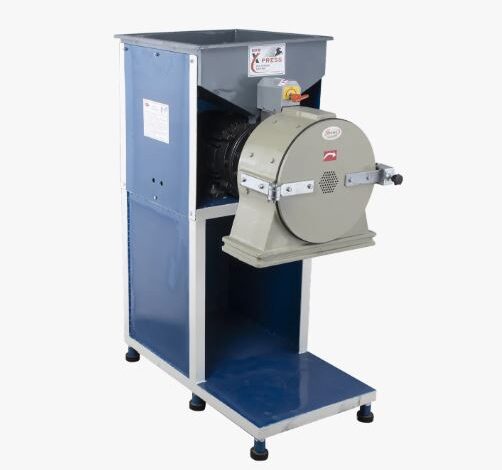
Flour production requires the right equipment to achieve consistent results. Whether you operate a small flour mill, food processing unit, or commercial milling business, choosing suitable machinery can improve daily operations. A Flour Mill Machine is designed to process grains into flour with controlled and efficient grinding. Modern machines can support different production requirements while helping businesses manage their milling processes more effectively. Gemini Motors & Machinery provides machinery solutions for businesses looking for practical equipment for grain processing. Before selecting a machine, it is important to understand its features, capacity, operation, maintenance needs, and suitability for your production requirements.
What Is a Flour Mill Machine?
A Flour Mill Machine is equipment used to grind grains and convert them into flour. Depending on the machine design, it can process grains such as wheat, maize, rice, and other suitable products. The grinding process reduces whole grains into smaller particles while allowing operators to achieve the desired flour consistency. Different machines are available for different production capacities and applications. Some are designed for smaller operations, while others are suitable for commercial or industrial use. Therefore, businesses should select a machine based on the type of grain, expected production volume, available space, and required flour quality.
Why Choose a Flour Mill Machine?
Using suitable milling machinery can make grain processing more organized and efficient. Manual grinding can require considerable time and effort, especially when processing large quantities of grain. A machine can help automate much of the grinding process and provide more consistent output. It can also make daily production easier to manage when the equipment matches the required capacity. Furthermore, modern milling machines can be designed with practical controls that support easier operation. Businesses can select different models according to their production needs, making it easier to find equipment for both small and larger milling operations.
Key Features to Consider
Several factors should be considered before purchasing a flour milling machine. Capacity is important because the machine should match the expected amount of grain processed each day. Motor power can also affect machine performance and should suit the intended application. The grinding mechanism, construction quality, operating controls, and maintenance requirements are equally important. Businesses should also consider the machine’s dimensions and installation requirements. Easy cleaning can be another useful feature because regular maintenance helps support hygienic food processing. By reviewing these factors carefully, buyers can select equipment that matches their operational requirements.
Types of Grains That Can Be Processed
Different milling machines can be designed to process different types of grains. Wheat is commonly processed into flour for products such as bread, chapati, biscuits, and other foods. Depending on the machine, other grains may also be suitable for processing. However, not every machine is designed for every grain, so users should check the manufacturer’s specifications before operation. Grain quality can also affect the final output. Properly cleaned and stored grains can support a smoother milling process. Businesses should therefore consider both the machine and the raw materials when planning their milling operations.
Benefits of Using Modern Milling Equipment
Modern milling equipment can provide several practical benefits for food processing businesses. Consistent grinding can help produce flour with a more uniform texture when the machine is correctly adjusted. Automated operation can also reduce the physical effort required compared with manual processing. In addition, suitable equipment can help businesses handle larger quantities of grain within their planned production schedule. Good machine design may also make cleaning and routine maintenance more manageable. However, actual performance depends on the machine model, grain type, operating conditions, and regular maintenance. Choosing equipment that matches the production requirement remains important.
Choosing the Right Machine Capacity
Machine capacity should be one of the first considerations when selecting milling equipment. A small business with limited production may not require the same capacity as a large commercial milling facility. Purchasing a machine that is too small can create production delays, while choosing equipment that is much larger than required may increase unnecessary costs. Buyers should estimate their daily grain processing requirements before making a decision. It is also useful to consider future production needs. A machine with suitable capacity can support current operations while providing enough flexibility for expected business growth.
Maintenance and Machine Care
Regular maintenance can help keep milling equipment operating properly. Operators should follow the manufacturer’s instructions for cleaning, lubrication, inspection, and servicing. Grain residue should be removed regularly to maintain cleanliness and support proper operation. Moving parts should also be checked according to the recommended maintenance schedule. Any unusual noise, vibration, or performance change should be investigated instead of being ignored. Proper maintenance can help identify small issues before they become larger problems. Businesses should also ensure that operators understand the correct operating procedure and safety requirements.
Why Choose the Right Machinery Supplier?
A reliable machinery supplier can make the equipment selection process easier. Buyers need more than a machine because installation guidance, technical information, maintenance support, and product specifications can also matter. A supplier should clearly explain machine capacity, power requirements, suitable applications, and operating conditions. Gemini Motors & Machinery helps businesses explore machinery solutions according to their processing requirements. Before purchasing, buyers should discuss their expected production volume, grain types, available space, and other operational needs. This information can help identify a machine that fits the intended application.
Frequently Asked Questions
What is a Flour Mill Machine used for?
A Flour Mill Machine is used to grind suitable grains into flour. The machine helps automate the grinding process and can provide consistent results when operated and maintained correctly. The exact grains and capacity depend on the machine model.
Which grains can be processed in a flour mill?
Many milling machines are designed to process wheat, while certain models may also handle other grains such as rice or maize. Always check the manufacturer’s specifications before processing a particular grain.
How do I choose the right flour mill machine?
Consider grain type, production capacity, motor power, machine size, grinding system, maintenance requirements, and available operating space. Your expected daily production should be a major factor when selecting the machine.
Does a flour mill machine require regular maintenance?
Yes. Regular cleaning, inspection, lubrication, and servicing can help maintain proper machine performance. Operators should follow the manufacturer’s maintenance instructions and address unusual machine behavior promptly.
Is a flour mill machine suitable for commercial use?
Certain machines are designed specifically for commercial or higher-volume applications. The appropriate choice depends on the required production capacity, grain type, operating schedule, and processing requirements.
Conclusion
Efficient grain processing depends on suitable machinery and proper operation. A Flour Mill Machine can help businesses process grains more efficiently while supporting consistent milling results. Before purchasing, consider machine capacity, motor power, grain compatibility, construction, maintenance, and operating requirements. Gemini Motors & Machinery can help businesses explore suitable machinery based on their specific processing needs. Choosing the right equipment can support smoother milling operations and provide a practical foundation for reliable flour production.