The Mahamrityunjay Mantra is one of the most revered Shiva mantras in Hindu tradition. It is traditionally associated with Lord Shiva and is recited by devotees as part of spiritual practice.
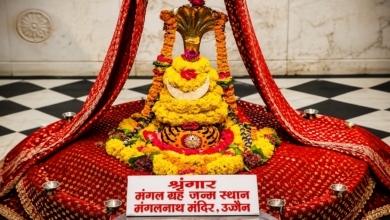
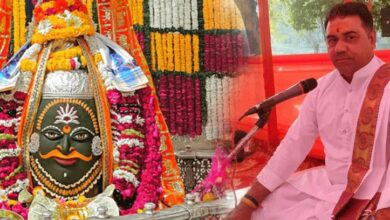
Mahamrityunjay Jaap in Ujjain is performed by devotees seeking blessings, inner peace, spiritual strength, and protection according to traditional beliefs. Ujjain has a special connection with Lord Shiva because of the revered Mahakaleshwar Jyotirlinga.
The Shri Mahakaleshwar Temple Management Committee officially lists a Mahamrityunjay Jaap involving 1.25 lakh repetitions among its pujan services.
What Is Mahamrityunjay Jaap?
Mahamrityunjay Jaap involves the repeated chanting of the Mahamrityunjay Mantra, also known as the Tryambakam Mantra.
The mantra is traditionally dedicated to Lord Shiva in his Rudra form. It is found in the Rigveda and is widely used in Hindu prayer and spiritual practices.
Devotees may perform the jaap individually or arrange a larger anushthan with priests.
Meaning of the Mahamrityunjay Mantra
The mantra expresses devotion to the three-eyed Lord Shiva. It seeks freedom from worldly bondage and spiritual protection.
The traditional practice focuses on devotion, concentration, prayer, and surrender to Lord Shiva.
Why Perform Mahamrityunjay Jaap in Ujjain?
Ujjain is an important pilgrimage destination associated with Lord Shiva. The city is home to Shri Mahakaleshwar Jyotirlinga, which attracts devotees from across India.
Because of this spiritual connection, many devotees choose Mahamrityunjay Jaap in Ujjain for their religious ceremonies.
The official Mahakaleshwar Temple website provides online booking for various pujan services, including Mahamrityunjay Jaap.
Traditional Importance of Mahamrityunjay Jaap
The Mahamrityunjay Mantra is traditionally recited during difficult periods and for spiritual strength.
Devotees may perform Mahamrityunjay Jaap in Ujjain with intentions such as:
- Seeking blessings from Lord Shiva
- Promoting inner peace
- Developing spiritual strength
- Reducing fear and anxiety
- Seeking protection according to traditional beliefs
- Supporting positive thinking
- Encouraging devotion and meditation
These are traditional religious beliefs. The jaap should not be considered a scientifically proven treatment for medical conditions.
How Is Mahamrityunjay Jaap Performed?
The exact procedure depends on the type of anushthan and the priest conducting it.
Sankalp
The ceremony generally begins with a sankalp. The devotee states the intention behind performing the jaap.
The priest then begins the traditional ritual according to the prescribed procedure.
Mantra Chanting
The Mahamrityunjay Mantra is repeatedly chanted during the ceremony.
The number of repetitions can vary. A larger anushthan may involve a specific target, such as 1.25 lakh repetitions. The Mahakaleshwar Temple officially lists this form of jaap among its pujan services.
Havan
A havan may be included after the prescribed mantra chanting.
Sacred offerings are placed into the fire while the priest recites traditional mantras. The exact procedure depends on the selected ritual.
Puja and Offerings
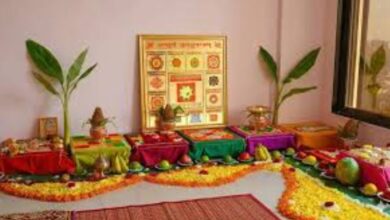
The ceremony may also include worship of Lord Shiva with traditional offerings.
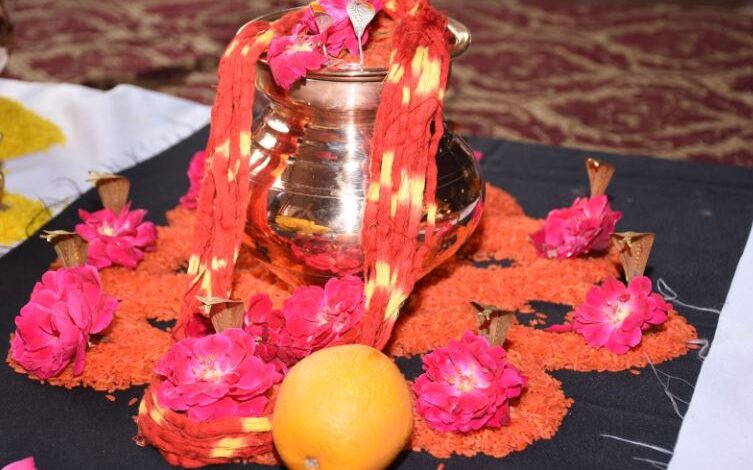
Flowers, water, fruits, bilva leaves, incense, lamps, and other materials may be used according to the priest’s ritual method.
Who Can Perform Mahamrityunjay Jaap?
Devotees may choose this spiritual practice for themselves or their family members.
It is commonly performed during periods when families seek spiritual support and blessings. Some devotees also perform the jaap as part of regular religious practice.
For a specific anushthan, discussing the purpose with an experienced priest can help determine the appropriate procedure.
When Should Mahamrityunjay Jaap Be Performed?
The suitable date and timing can depend on the type of ceremony and the priest’s traditional calculations.
Some devotees choose auspicious dates according to the Hindu calendar. Others perform the jaap when they feel a spiritual need.
Before scheduling Mahamrityunjay Jaap in Ujjain, devotees should confirm the date, timing, number of repetitions, duration, and ritual procedure.
How to Prepare for the Jaap
Proper preparation can make the religious experience more comfortable.
Devotees should discuss their requirements with the priest before the ceremony. They should also confirm whether they need to be physically present.
The official Mahakaleshwar Temple website provides online pujan booking, making it possible to check the temple’s current arrangements directly.
Visitors travelling to Ujjain should also plan accommodation and transportation in advance.
Choosing a Pandit for Mahamrityunjay Jaap
The priest should understand the traditional chanting procedure and explain the ceremony clearly.
Before booking, devotees should ask about:
- Number of mantra repetitions
- Puja duration
- Havan arrangements
- Required samagri
- Number of priests
- Venue
- Total charges
- Services included
Clear communication can help avoid confusion about the ceremony.
Mahamrityunjay Jaap and Spiritual Well-Being
Regular mantra chanting is traditionally associated with concentration and devotion. Many devotees find repetitive chanting calming and spiritually meaningful.
However, religious practices should complement appropriate professional care when someone has a medical or mental health concern. The Mahamrityunjay Mantra should not replace prescribed medical treatment.
Frequently Asked Questions (5 FAQs)
1. What is Mahamrityunjay Jaap in Ujjain?
Mahamrityunjay Jaap in Ujjain is a traditional Shiva-focused chanting ritual performed by devotees seeking spiritual blessings, peace, and strength.
2. How many times is the Mahamrityunjay Mantra chanted?
The number can vary according to the type of ceremony. The Mahakaleshwar Temple officially lists a 1.25 lakh jaap as one of its pujan services.
3. Can Mahamrityunjay Jaap be performed at Mahakaleshwar Temple?
The Shri Mahakaleshwar Temple Management Committee currently lists Mahamrityunjay Jaap among its official pujan services.
4. What is required for the jaap?
Requirements depend on the ritual. Devotees should confirm the samagri, timing, number of priests, and other arrangements with the priest before booking.
5. Does Mahamrityunjay Jaap guarantee health or other results?
No religious ritual can scientifically guarantee a particular outcome. The jaap is a traditional spiritual practice dedicated to Lord Shiva.
Conclusion
Mahamrityunjay Jaap in Ujjain is a respected spiritual practice dedicated to Lord Shiva. Ujjain’s strong association with Mahakaleshwar makes it a meaningful destination for devotees interested in this traditional jaap.
The ceremony may include sankalp, mantra chanting, Shiva Puja, offerings, and havan. The number of repetitions and exact procedure can vary according to the selected anushthan.
Devotees should confirm the ritual details, timing, cost, and arrangements before booking. For a traditional ceremony in Ujjain, choosing an experienced pandit can help ensure that the jaap is conducted according to the intended religious procedure.